
Skin Graft Surgery for Traumatic Wounds: Treatment, Healing Process, Recovery, and Long-Term Outcomes
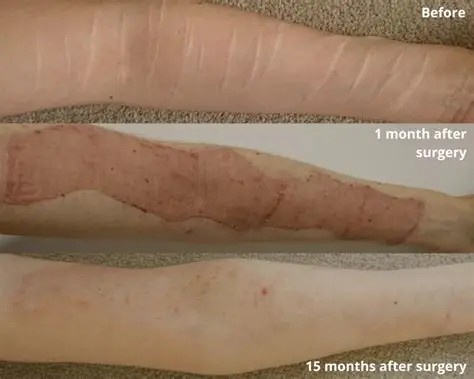
Skin Graft Surgery for Traumatic Wounds is a reconstructive procedure used to repair areas where significant skin loss has occurred due to accidents, burns, crush injuries, infections, or other forms of trauma. Severe wounds may leave underlying tissues exposed, making natural healing difficult and increasing the risk of infection and complications. As an important component of comprehensive Trauma Reconstruction Surgery in Thrissur, skin grafting helps restore protective skin coverage, promote healing, and improve both functional and aesthetic outcomes.
What Is Skin Graft Surgery?
Skin graft surgery is a procedure in which healthy skin is taken from one area of the body and transferred to another area that has lost skin due to injury or disease.
The transferred skin helps:
- Cover exposed tissues
- Promote wound healing
- Reduce infection risk
- Protect underlying structures
- Improve appearance and function
Skin grafting is commonly used when wounds are too large to heal properly on their own.
Why Skin Graft Surgery Is Needed for Traumatic Wounds
Traumatic injuries can result in extensive skin loss that affects healing.
Skin Graft Surgery for Traumatic Wounds may be recommended when:
- Large areas of skin are missing
- Wounds cannot close naturally
- Bone or tendon is exposed
- Tissue healing is delayed
- Reconstruction is required after trauma
The goal is to restore protective skin coverage and support recovery.
Common Causes of Traumatic Wounds
Skin grafting may be required after:
- Road traffic accidents
- Industrial injuries
- Crush injuries
- Burn injuries
- Deep lacerations
- Severe infections
- Soft tissue trauma
The severity and location of the wound determine the most appropriate treatment approach.
Types of Skin Grafts
Split-Thickness Skin Graft
This involves transferring the outer layer of skin along with part of the deeper skin layer.
Commonly used for:
- Large wounds
- Burn injuries
- Traumatic skin loss
Full-Thickness Skin Graft
This involves transferring the full thickness of skin.
Often used when:
- Better cosmetic outcomes are desired
- Smaller reconstruction areas are involved
- Facial or exposed body areas require repair
The choice depends on wound characteristics and treatment goals.
How the Procedure Is Performed
Skin Graft Surgery for Traumatic Wounds generally involves several steps.
Step 1: Wound Preparation
The damaged area is cleaned and prepared for graft placement.
Step 2: Skin Harvesting
Healthy skin is taken from a donor site on the patient’s body.
Step 3: Graft Placement
The harvested skin is carefully positioned over the wound.
Step 4: Dressing and Protection
Special dressings help secure the graft and support healing.
Proper technique helps maximize graft survival and recovery.
Benefits of Skin Graft Surgery
Skin grafting offers several advantages.
Benefits may include:
- Faster wound closure
- Improved tissue protection
- Reduced infection risk
- Better healing outcomes
- Improved appearance
- Enhanced functional recovery
Successful grafting helps restore both structure and function.
Immediate Recovery After Surgery
The first few days after surgery are critical for graft survival.
Doctors monitor:
- Blood circulation
- Graft attachment
- Wound healing
- Signs of infection
- Swelling and discomfort
Careful postoperative monitoring supports successful outcomes.
Healing Process After Skin Grafting
Healing occurs gradually as the graft establishes a blood supply.
Early Healing
- Graft attachment begins
- Swelling gradually decreases
- Initial tissue integration occurs
Intermediate Healing
- Blood vessels grow into the graft
- Skin strength improves
- Wound stabilization continues
Long-Term Healing
- Scar maturation occurs
- Skin texture improves
- Functional recovery continues
Healing timelines vary among patients.
Importance of Wound Care
Proper wound care is essential after Skin Graft Surgery for Traumatic Wounds.
Patients are often advised to:
- Keep dressings intact
- Follow hygiene instructions
- Avoid unnecessary pressure
- Attend follow-up appointments
- Report unusual symptoms promptly
Good wound care improves graft success.
Role of Physiotherapy and Rehabilitation
In some cases, rehabilitation is important after skin grafting.
Rehabilitation may help:
- Improve movement
- Reduce stiffness
- Support functional recovery
- Improve scar flexibility
- Enhance mobility
Therapy plans depend on the location and extent of injury.
Factors Affecting Graft Success
Several factors influence healing outcomes.
These include:
- Blood supply to the wound
- Overall health condition
- Smoking habits
- Diabetes and circulation disorders
- Infection prevention
- Compliance with medical advice
Addressing these factors improves recovery potential.
Potential Risks and Complications
Although skin graft surgery is widely performed, complications can occur.
Possible risks include:
- Infection
- Partial graft failure
- Delayed healing
- Fluid accumulation
- Scar formation
- Color or texture differences
Regular monitoring helps identify and manage complications early.
Scar Management After Skin Grafting
Scar care becomes important during recovery.
Scar management may include:
- Moisturization
- Massage techniques
- Compression therapy
- Physiotherapy support
- Sun protection
Proper scar care contributes to long-term outcomes.
Emotional and Psychological Benefits
Successful wound reconstruction often improves emotional well-being.
Patients may experience:
- Increased confidence
- Improved body image
- Reduced stress
- Better participation in daily activities
Comprehensive recovery includes both physical and emotional healing.
Long-Term Outcomes
Many patients experience positive long-term results following skin graft surgery.
Potential outcomes include:
- Stable wound coverage
- Improved function
- Enhanced mobility
- Better protection of tissues
- Improved appearance
Results vary depending on injury severity and rehabilitation.
Advances in Skin Graft Surgery
Modern medical advancements continue to improve outcomes.
Innovations include:
- Advanced wound dressings
- Improved graft harvesting techniques
- Enhanced postoperative monitoring
- Better scar management methods
- Regenerative wound care technologies
These developments contribute to improved healing and patient recovery.
Final Overview
Skin Graft Surgery for Traumatic Wounds is an important reconstructive procedure that helps restore skin coverage, protect underlying tissues, and support healing after significant skin loss. By promoting wound closure and reducing complications, skin grafting plays a valuable role in trauma recovery and reconstruction.
With appropriate surgical planning, postoperative care, rehabilitation when needed, and regular follow-up, many patients achieve successful healing and improved long-term outcomes following skin graft surgery. For more information about reconstructive surgery and wound repair, visit the
American Society of Plastic Surgeons – Reconstructive Procedures Guide

Dr Vinu Roy
Plastic and Cosmetic SurgeonDr Vinu Roy is a plastic and cosmetic surgeon with expertise in cosmetic surgery, reconstructive surgery, microvascular surgery, hand surgery, trauma reconstruction, and brachial plexus procedures.
He focuses on enhancing both form and function with personalized surgical care, helping patients achieve their aesthetic and reconstructive goals with confidence.
Sushrutha Institute of Plastic, Reconstructive, and Aesthetic Surgery, Elite Mission Hospital, Koorkenchery, Thrissur

