
Scar Correction After Traumatic Injuries: Restoring Appearance and Function
Scar Correction After Traumatic Injuries is an important aspect of reconstructive surgery that focuses on improving the appearance, texture, and function of scars that develop following accidents, burns, cuts, crush injuries, and other forms of trauma. While scars are a natural part of the body’s healing process, some traumatic scars may become raised, widened, depressed, discolored, or functionally restrictive.
Modern reconstructive techniques have significantly improved the management of traumatic scars. Scar Correction After Traumatic Injuries can help reduce scar visibility, improve skin flexibility, restore function, and enhance overall confidence. Depending on the severity and location of the scar, treatment may involve non-surgical therapies, surgical scar revision, or a combination of approaches.
This page explains the causes of traumatic scars, available treatment options, benefits of scar correction, recovery expectations, and factors that influence outcomes.
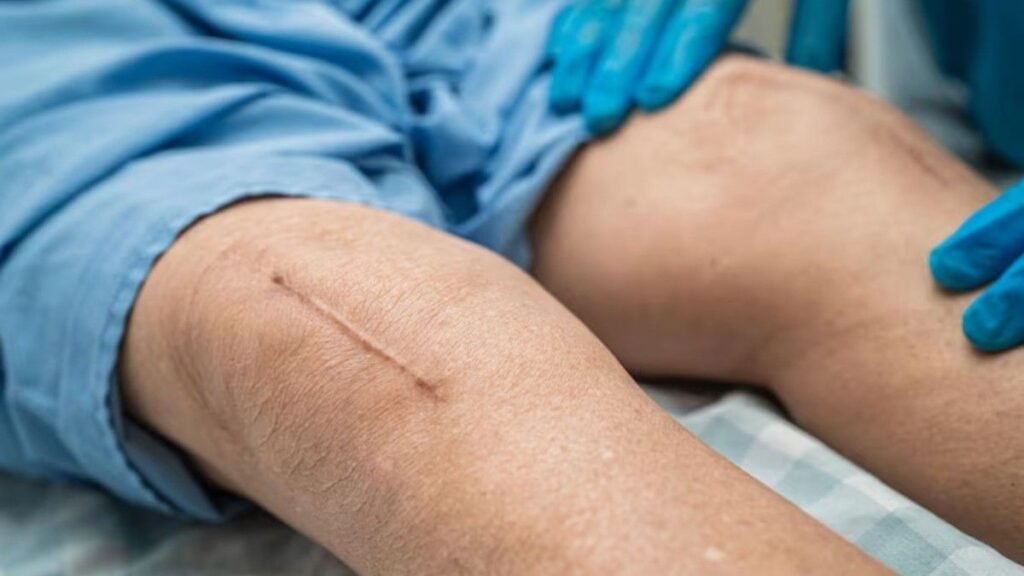
What Is Scar Correction After Traumatic Injuries?
Scar Correction After Traumatic Injuries refers to specialized treatments designed to improve scars that develop after physical trauma. These procedures aim to minimize scar appearance while improving the function of affected tissues.
The goals of treatment include:
- Improving scar texture
- Reducing scar visibility
- Enhancing skin flexibility
- Restoring normal movement
- Improving cosmetic appearance
Treatment plans are customized according to the scar type, location, and severity.
Common Causes of Traumatic Scars
Many types of injuries can lead to noticeable scars.
Common causes include:
- Road traffic accidents
- Sports injuries
- Industrial accidents
- Deep lacerations
- Burns
- Crush injuries
- Animal bites
- Surgical procedures following trauma
The extent of tissue damage often influences the final appearance of the scar.
Types of Traumatic Scars
Understanding scar type helps determine the most suitable treatment approach.
Hypertrophic Scars
These scars become raised and thick but remain within the boundaries of the original injury.
Contracture Scars
Contracture scars often develop after burns and can restrict movement by tightening the skin.
Depressed Scars
These scars appear sunken due to loss of underlying tissue.
Wide Scars
Some scars heal with widening, making them more visible over time.
Irregular Scars
Trauma may create uneven scars with altered skin texture and contour.
Scar Correction After Traumatic Injuries is tailored according to the specific scar characteristics.
When Is Scar Correction Recommended?
Not every scar requires treatment. However, Scar Correction After Traumatic Injuries may be recommended when scars:
- Cause cosmetic concerns
- Restrict movement
- Create discomfort
- Affect facial appearance
- Interfere with daily activities
- Cause emotional distress
A detailed evaluation helps determine the most appropriate treatment strategy.
Evaluation Before Scar Correction Treatment
Before treatment begins, a comprehensive assessment is performed.
The evaluation may include:
- Scar size and location
- Scar maturity
- Skin quality
- Functional limitations
- Medical history
- Previous treatments
Proper assessment allows individualized treatment planning and realistic expectations.
Non-Surgical Scar Correction Options
Several non-surgical treatments may improve scar appearance.
Common options include:
Silicone Therapy
Silicone sheets and gels may help soften and flatten scars.
Pressure Therapy
Pressure garments may be useful in selected scar management cases.
Scar Massage
Massage techniques may improve flexibility and scar texture.
Laser Treatments
Laser-based procedures can improve scar color and surface irregularities.
Injectable Treatments
Certain injections may help reduce scar thickness and improve appearance.
Non-surgical options are often used in combination with Scar Correction After Traumatic Injuries procedures.
Surgical Scar Revision Procedures
When scars are severe or functionally limiting, surgical treatment may be considered.
Scar Correction After Traumatic Injuries through surgery aims to reposition, reshape, or improve scar appearance.
Techniques may include:
Scar Excision
The scar is removed and carefully re-closed to create a finer scar line.
Z-Plasty
This technique changes scar direction and improves mobility.
Local Tissue Rearrangement
Nearby healthy tissue is used to improve contour and appearance.
Skin Grafting
Skin grafts may be used when significant tissue replacement is required.
Flap Reconstruction
Advanced reconstructive procedures may be necessary for complex scars.
The choice of technique depends on individual needs and scar characteristics.
Benefits of Scar Correction After Traumatic Injuries
There are numerous benefits associated with Scar Correction After Traumatic Injuries.
These include:
- Improved appearance
- Enhanced skin flexibility
- Better scar texture
- Reduced scar prominence
- Improved movement
- Increased self-confidence
- Better functional outcomes
Both cosmetic and functional improvements are important treatment goals.
Scar Correction for Facial Injuries
Facial scars often require special attention because of their visibility.
Scar Correction After Traumatic Injuries involving the face may help:
- Improve facial symmetry
- Reduce scar visibility
- Restore natural contours
- Enhance confidence
Specialized reconstructive techniques are often used to achieve optimal outcomes.
Scar Correction for Burn Injuries
Burn scars may create significant cosmetic and functional concerns.
Scar Correction After Traumatic Injuries resulting from burns may address:
- Contractures
- Tight skin
- Restricted movement
- Irregular texture
Treatment helps improve comfort, appearance, and mobility.
Functional Benefits of Scar Revision
Scar correction is not purely cosmetic.
Scar Correction After Traumatic Injuries can significantly improve function by:
- Releasing tight scars
- Improving joint movement
- Restoring flexibility
- Reducing discomfort
Functional improvements are particularly important when scars affect hands, joints, or the face.
Emotional Impact of Traumatic Scars
Visible scars can affect emotional well-being.
Many individuals experience:
- Reduced confidence
- Self-consciousness
- Social anxiety
- Emotional distress
Scar Correction After Traumatic Injuries may help improve psychological well-being by addressing cosmetic concerns and restoring confidence.
Recovery After Scar Correction Procedures
Recovery varies depending on the type of treatment performed.
Common recovery stages include:
Early Recovery
- Mild swelling
- Temporary discomfort
- Wound care management
Intermediate Recovery
- Gradual healing
- Scar maturation
- Improved skin flexibility
Long-Term Recovery
- Continued scar improvement
- Better texture
- Enhanced appearance
Patients are usually provided with individualized postoperative instructions.
Factors Affecting Treatment Outcomes
Several factors influence the success of Scar Correction After Traumatic Injuries.
These include:
- Scar age
- Scar location
- Skin type
- Smoking habits
- Overall health
- Treatment compliance
Following postoperative recommendations supports optimal results.
Importance of Early Scar Management
Early intervention may improve outcomes in selected cases.
Benefits of early scar management include:
- Better scar control
- Reduced contracture formation
- Improved flexibility
- Enhanced healing
Prompt evaluation allows timely treatment planning.
Advances in Scar Revision Techniques
Modern reconstructive surgery continues to improve scar treatment options.
Advancements include:
- Improved surgical planning
- Advanced scar revision techniques
- Precision tissue reconstruction
- Enhanced wound care methods
- Modern laser technologies
These innovations have improved outcomes for Scar Correction After Traumatic Injuries.
Why Specialized Reconstructive Care Matters
Traumatic scars often involve more than skin alone.
Specialized reconstructive care considers:
- Appearance
- Function
- Mobility
- Tissue quality
- Long-term outcomes
A comprehensive treatment approach helps achieve the best possible results.
Conclusion
Scar Correction After Traumatic Injuries plays a vital role in improving both appearance and function following accidents, burns, and other traumatic events. Modern reconstructive techniques provide effective solutions for reducing scar visibility, restoring movement, improving skin flexibility, and enhancing confidence.
Whether treatment involves non-surgical therapies, surgical scar revision, or advanced reconstructive procedures, Scar Correction After Traumatic Injuries can significantly improve quality of life. Early evaluation, personalized treatment planning, and proper postoperative care contribute to successful long-term outcomes.
For additional information about reconstructive scar management, visit the American Society of Plastic Surgeons.

Dr Vinu Roy
Plastic and Cosmetic SurgeonDr Vinu Roy is a plastic and cosmetic surgeon with expertise in cosmetic surgery, reconstructive surgery, microvascular surgery, hand surgery, trauma reconstruction, and brachial plexus procedures.
He focuses on enhancing both form and function with personalized surgical care, helping patients achieve their aesthetic and reconstructive goals with confidence.
Sushrutha Institute of Plastic, Reconstructive, and Aesthetic Surgery, Elite Mission Hospital, Koorkenchery, Thrissur

