
Microvascular Surgery in Thrissur: Advanced Techniques for Precision Reconstruction
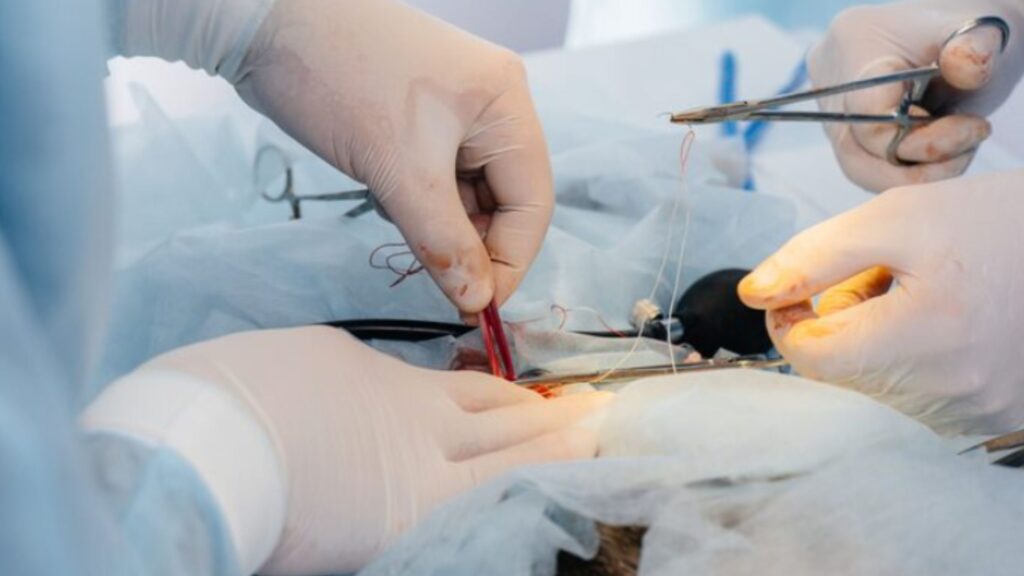
Microvascular Surgery in Thrissur is a highly specialized field of surgery that focuses on repairing very small blood vessels, nerves, and tissues using advanced magnification techniques. This type of surgery plays a crucial role in complex reconstructive procedures, trauma care, and limb salvage surgeries. With increasing medical advancements, microvascular techniques have become essential in restoring both function and appearance after severe injuries or deformities.
This blog provides a complete overview of microvascular surgery, its applications, procedures, recovery process, and importance in modern reconstructive medicine.
Understanding Microvascular Surgery
Microvascular surgery involves operating on tiny blood vessels and nerves using specialized microscopes and ultra-fine surgical instruments. These vessels are often less than a few millimeters in diameter, requiring extreme precision and expertise.
The main goal of this surgery is to restore blood flow and nerve function in damaged tissues, enabling successful reconstruction of complex injuries.
When is Microvascular Surgery Needed?
Microvascular surgery is commonly recommended in situations where tissues or limbs require reconstruction or reattachment.
Common indications include:
- Severe trauma injuries
- Reattachment of amputated limbs or fingers
- Reconstruction after cancer surgery
- Nerve repair and grafting
- Complex wound coverage
- Free tissue transfer procedures
These conditions require highly precise surgical intervention for successful outcomes.
How Microvascular Surgery Works
The procedure involves connecting tiny blood vessels under a microscope to restore circulation in damaged or transferred tissue.
Steps include:
- Careful identification of damaged vessels
- Preparation of donor tissue (if required)
- Microsurgical connection of arteries and veins
- Restoration of blood flow
- Monitoring tissue viability
This precise technique ensures that transplanted or repaired tissues survive and function properly.
Types of Microvascular Procedures
Microvascular surgery includes several advanced techniques:
- Free flap reconstruction
- Replantation surgery
- Nerve repair and grafting
- Vascular reconstruction
- Tissue transfer for defect coverage
Each procedure is tailored based on the patient’s condition and injury type.
Role in Trauma Reconstruction
Microvascular surgery is a cornerstone in trauma reconstruction. It is often used in emergency situations where limbs or tissues are severely damaged.
It helps in:
- Saving amputated limbs
- Restoring blood circulation
- Rebuilding soft tissue defects
- Improving functional recovery
Experienced specialists such as Dr Vinu Roy play a key role in ensuring precise reconstruction and optimal recovery outcomes in complex trauma cases.
Benefits of Microvascular Surgery
Microvascular surgery offers several important benefits:
- Restoration of limb or tissue function
- Improved blood circulation
- Enhanced healing of complex wounds
- Better cosmetic outcomes
- Reduced need for amputation
These benefits make it one of the most advanced techniques in reconstructive surgery.
Risks and Challenges
Although highly effective, microvascular surgery is complex and involves certain risks:
- Blood clot formation
- Infection
- Partial or complete tissue failure
- Prolonged healing time
- Nerve sensitivity or weakness
Careful surgical planning and postoperative care help minimize these risks.
Recovery Process
Recovery after microvascular surgery depends on the complexity of the procedure and overall health of the patient.
Typical recovery stages include:
- Close monitoring in the initial days
- Gradual restoration of blood flow
- Wound healing over several weeks
- Physiotherapy for functional recovery
- Long-term follow-up
Patients are closely observed to ensure proper tissue survival and healing.
Importance of Postoperative Care
Postoperative care is critical for successful outcomes in microvascular surgery.
Care includes:
- Regular monitoring of blood flow
- Pain management
- Infection prevention
- Limb positioning guidance
- Rehabilitation exercises
Proper care significantly improves success rates and functional recovery.
Role of Rehabilitation
Rehabilitation plays an important role in restoring movement and strength after surgery.
It may include:
- Physiotherapy exercises
- Strength training
- Mobility improvement techniques
- Functional hand or limb training
Consistent rehabilitation helps patients regain independence and normal function.
Advancements in Microvascular Techniques
Modern technology has significantly improved the success of microvascular procedures.
Advancements include:
- High-resolution surgical microscopes
- Improved microsurgical instruments
- Enhanced imaging techniques
- Better postoperative monitoring tools
These innovations have made surgeries safer and more precise.
Importance of Early Intervention
Early intervention in trauma or tissue damage greatly increases the success of microvascular surgery.
Delayed treatment may lead to:
- Tissue loss
- Reduced function
- Increased complications
- Need for more complex reconstruction
Timely evaluation ensures better surgical outcomes and faster recovery.
Functional and Aesthetic Outcomes
Microvascular surgery not only restores function but also improves appearance.
It helps in:
- Restoring natural limb shape
- Improving mobility
- Enhancing quality of life
- Reducing long-term disability
Both functional and cosmetic improvements are important aspects of recovery.
Emotional and Psychological Benefits
Successful reconstruction through microvascular surgery can significantly improve emotional well-being.
Patients often experience:
- Improved confidence
- Reduced anxiety
- Better social reintegration
- Enhanced independence
Restoring function has a strong positive psychological impact.
Conclusion
Microvascular Surgery in Thrissur continues to transform the field of reconstructive and trauma care by offering advanced solutions for repairing delicate blood vessels, nerves, and tissues with remarkable precision. From complex trauma reconstruction to limb salvage and free flap procedures, these specialized techniques help restore both function and appearance, improving long-term outcomes for patients.
One of the key strengths of Microvascular Surgery in Thrissur is its role in managing challenging injuries that may otherwise lead to permanent disability or tissue loss. Through early intervention, meticulous surgical planning, and structured rehabilitation, patients can often regain mobility, strength, and confidence. Modern microsurgical advancements have further improved safety, precision, and recovery outcomes.
Whether used in trauma reconstruction, nerve repair, or tissue transfer, Microvascular Surgery in Thrissur remains an important option for patients requiring highly specialized reconstructive care. With expert evaluation and individualized treatment planning, these procedures can support better healing, functional restoration, and improved quality of life.
For broader information on reconstructive microsurgery principles, you can also refer to the American Society of Plastic Surgeons resource on reconstructive surgery and microsurgical procedures.
Table Of Content
Consultation:
Microvascular surgery consultation in Thrissur includes detailed evaluation, diagnosis planning, and treatment guidance for reconstructive procedures. Learn more
Cost:
Microvascular surgery cost in Thrissur depends on procedure complexity, hospital facilities, surgeon expertise, and postoperative care. Learn more
Risks and Complications:
Risks and complications may include infection, tissue failure, nerve damage, swelling, or delayed healing depending on the condition. Learn more
Preparation:
Preparation in Thrissur includes medical evaluation, lifestyle adjustments, medication review, and recovery planning before surgery. Learn more
Frequently Asked Questions
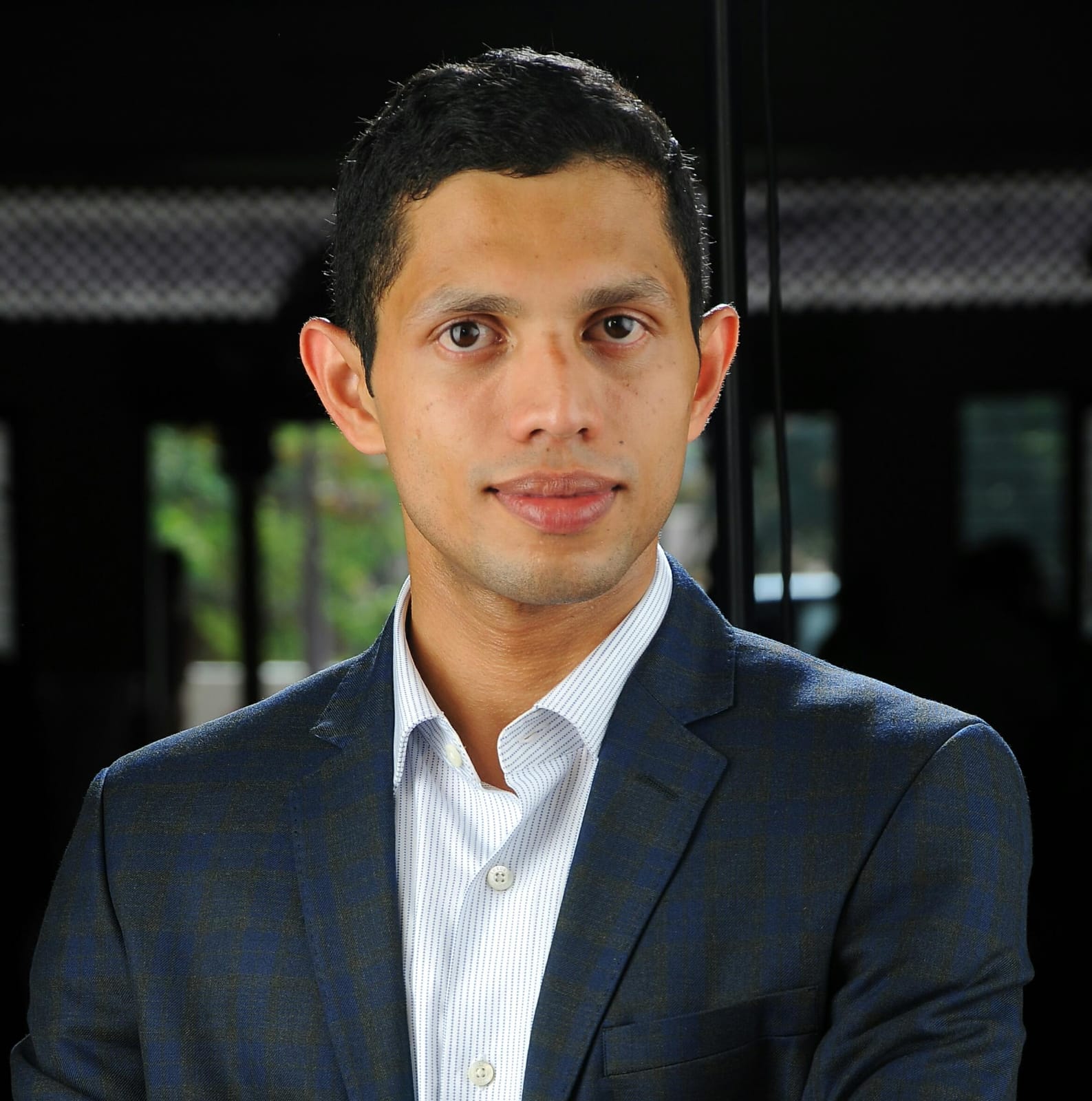
Dr Vinu Roy
Plastic and Cosmetic SurgeonDr Vinu Roy is a plastic and cosmetic surgeon with expertise in cosmetic surgery, reconstructive surgery, microvascular surgery, hand surgery, trauma reconstruction, and brachial plexus procedures.
He focuses on enhancing both form and function with personalized surgical care, helping patients achieve their aesthetic and reconstructive goals with confidence.
Sushrutha Institute of Plastic, Reconstructive, and Aesthetic Surgery, Elite Mission Hospital, Koorkenchery, Thrissur

