
Restoring Function and Mobility After Severe Limb Injuries
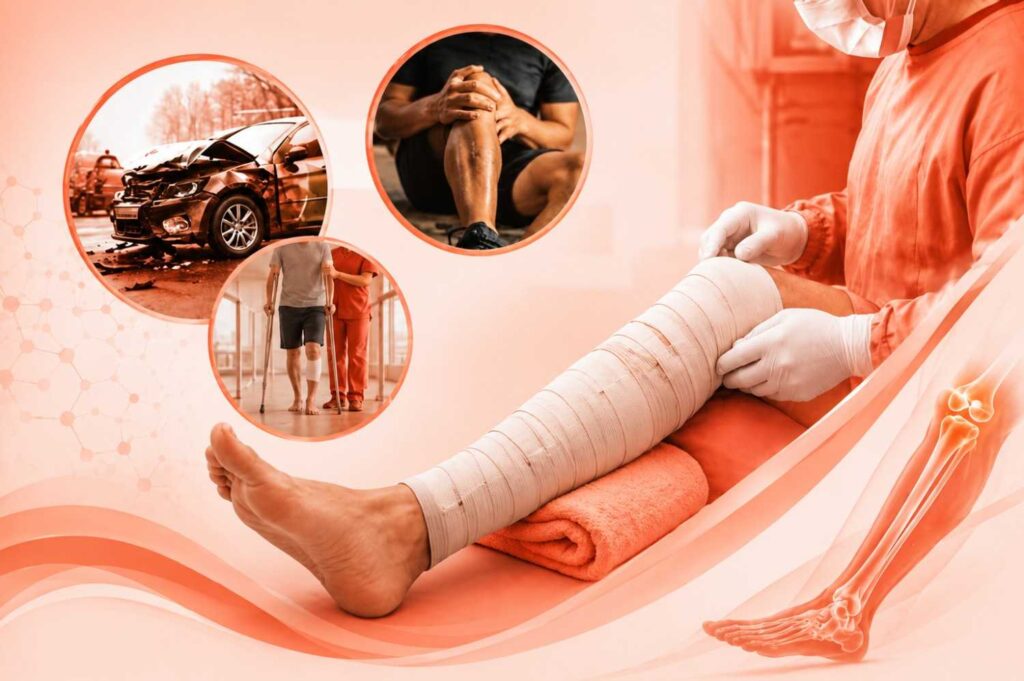
Limb reconstruction surgery after accidents is an advanced reconstructive treatment approach used to restore function, mobility, and structural stability following severe traumatic injuries. Accidents can cause extensive damage to bones, muscles, tendons, nerves, blood vessels, and soft tissues, often requiring specialized surgical procedures to preserve limb function and improve long-term recovery.
Understanding limb reconstruction surgery after accidents helps patients and families learn how modern reconstructive techniques support healing, restore movement, and improve quality of life.
Understanding Complex Limb Injuries
Severe accidents can affect multiple structures within the arm or leg simultaneously.
Damage Beyond Broken Bones
While fractures are common after trauma, injuries often involve:
- Muscles
- Tendons
- Nerves
- Blood vessels
- Skin and soft tissues
Successful recovery frequently requires treatment that addresses all affected structures.
Functional Impact of Trauma
Complex injuries can lead to:
- Reduced mobility
- Muscle weakness
- Loss of sensation
- Difficulty performing daily tasks
- Long-term physical limitations
Why Specialized Reconstruction Matters
Advanced reconstructive procedures focus not only on healing injuries but also on restoring function and improving quality of life. Limb reconstruction surgery after accidents is often recommended when multiple structures have been damaged and comprehensive reconstruction is required.
Types of Reconstructive Procedures Used After Accidents
Treatment plans vary depending on the nature and severity of the injury. Limb reconstruction surgery after accidents may involve a combination of bone, nerve, soft tissue, and microvascular reconstruction procedures depending on the extent of trauma.
1) Bone Reconstruction
These procedures help restore structural stability following complex fractures or bone loss.
2) Soft Tissue Reconstruction
Damaged skin, muscles, and connective tissues may require specialized repair techniques.
3) Nerve Reconstruction
Nerve repair procedures may help improve movement and sensation after traumatic nerve injuries.
4) Tendon and Muscle Reconstruction
Restoring damaged tendons and muscles can help improve strength and function.
5) Microvascular Reconstruction
Microsurgical techniques may be used to reconnect blood vessels and transfer healthy tissue to injured areas.
Many patients benefit from a combination of these approaches during recovery.
The Importance of Early Surgical Assessment
Preserving Healthy Tissue
Early intervention may help prevent further tissue damage.
Supporting Circulation
Maintaining blood flow is often essential for successful healing.
Reducing Complications
Prompt treatment can help reduce the risk of infection and other complications.
Improving Recovery Potential
Early surgical planning often supports better long-term functional outcomes.
The Role of Microsurgery in Limb Reconstruction
Microsurgery has transformed the management of complex traumatic injuries.
Restoring Blood Supply
Small blood vessels can be repaired using specialized microsurgical techniques.
Transferring Healthy Tissue
Tissue transfer procedures may be used when significant tissue loss has occurred.
Supporting Limb Preservation
Advanced microsurgery can help preserve function in severely injured limbs.
Improving Healing Outcomes
Precise reconstruction often contributes to improved recovery and tissue survival.
Symptoms That May Indicate the Need for Reconstruction
Certain injuries may require specialized reconstructive treatment.
Significant Tissue Loss
Loss of skin, muscle, or other tissues may require reconstruction.
Bone Exposure
Exposed bone often requires additional surgical management.
Severe Pain and Swelling
Persistent symptoms may indicate extensive underlying damage.
Numbness or Weakness
Nerve involvement can affect movement and sensation.
Limited Mobility
Difficulty moving the affected limb may require further evaluation.
Diagnostic Evaluation Before Treatment
Detailed investigation helps guide surgical planning.
1) Physical Examination
Assessment includes evaluation of:
- Movement
- Strength
- Circulation
- Sensation
- Tissue condition
2) Imaging Studies
Diagnostic tools may include:
- CT scans
- MRI scans
- X-rays
- Vascular imaging
3) Nerve Assessment
Specialized testing may be performed when nerve injuries are suspected.
Accurate diagnosis supports individualized treatment planning.
Goals of Reconstructive Treatment
Every treatment plan is designed according to the patient’s specific needs.
Common objectives include:
- Restoring mobility
- Preserving limb function
- Improving structural stability
- Repairing damaged tissues
- Reducing disability
- Supporting independence
The ultimate goal is to help patients return to the highest possible level of function.
Recovery Following Reconstruction Surgery
Recovery typically occurs in stages and varies between individuals.
Early Recovery Phase
The initial period focuses on:
- Wound healing
- Pain control
- Swelling management
- Monitoring circulation
Functional Recovery
As healing progresses, attention shifts toward restoring movement and strength.
Long-Term Improvement
Many patients continue to see progress over several months following treatment.
Recovery timelines depend on injury severity and the complexity of reconstruction.
Lorem ipsum dolor sit amet, consectetur adipiscing elit. Ut elit tellus, luctus nec ullamcorper mattis, pulvinar dapibus leo.
Rehabilitation After Limb Reconstruction
Rehabilitation following limb reconstruction surgery after accidents plays a crucial role in restoring strength, movement, and overall function.
Physical Therapy
Therapy helps improve:
- Strength
- Flexibility
- Balance
- Mobility
Occupational Therapy
Patients learn techniques that support daily activities and independence.
Functional Training
Targeted exercises help restore practical movement patterns.
Scar Management
Specialized care may help improve tissue mobility and comfort.
Consistent rehabilitation plays a major role in long-term recovery.
Modern Advances in Reconstructive Surgery
Ongoing developments continue to improve treatment options.
Advancements include:
- High-definition surgical microscopes
- Improved tissue transfer techniques
- Advanced imaging systems
- Enhanced microsurgical procedures
- Modern rehabilitation protocols
These innovations contribute to better functional and aesthetic outcomes.
Specialized Care for Complex Trauma Injuries
Patients seeking advanced treatment for severe limb injuries can learn more through trauma reconstruction surgery services.
Conclusion
Limb reconstruction surgery after accidents plays a vital role in restoring movement, rebuilding damaged tissues, and helping patients regain independence following severe trauma. Severe limb injuries can have a significant impact on mobility, independence, and quality of life. Modern reconstructive surgery offers a range of advanced techniques designed to repair damaged tissues, restore function, and support long-term recovery after serious accidents.
Through individualized treatment planning, microsurgical expertise, and structured rehabilitation, many patients can achieve meaningful improvements in strength, mobility, and overall wellbeing. Understanding the role of reconstruction following trauma allows patients to actively participate in their recovery and make informed healthcare decisions.
For additional information about reconstructive surgery and recovery after traumatic injuries, patients can refer to the American Society of Plastic Surgeons (ASPS).
Frequently Asked Questions
What is limb reconstruction surgery after accidents?
Limb reconstruction surgery repairs damaged bones, muscles, nerves, and tissues after severe injuries.
Who may need limb reconstruction surgery?
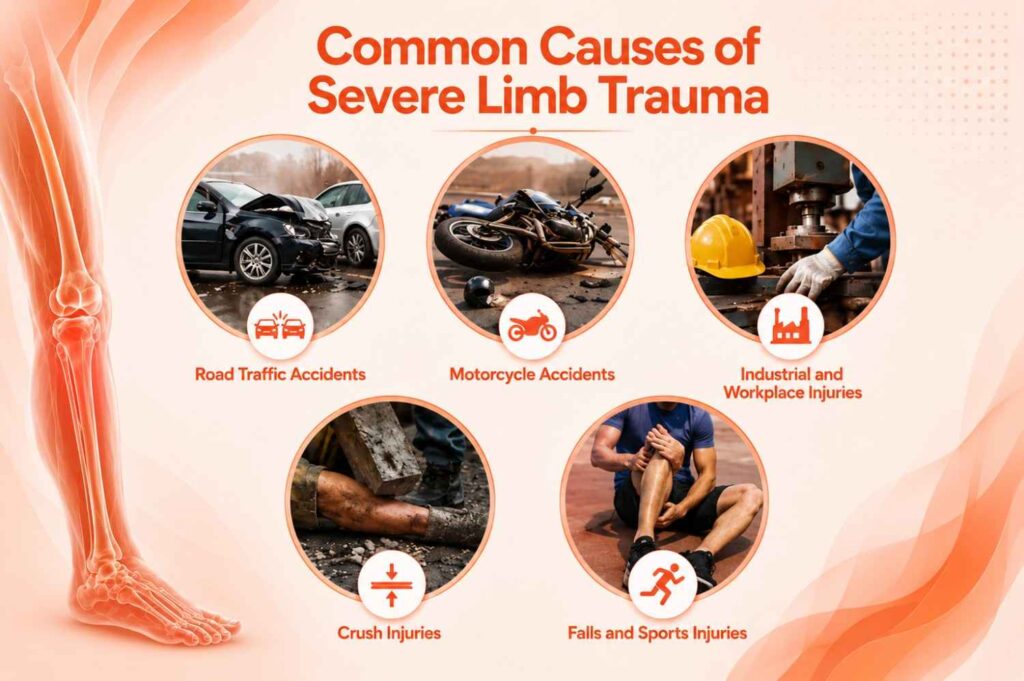
People with serious injuries from accidents, crush injuries, or complex fractures may require reconstruction.
Can limb reconstruction help restore movement?
Yes. It aims to improve mobility, function, and independence after injury.
What procedures are used in limb reconstruction?
Treatment may include bone repair, nerve reconstruction, soft tissue repair, and microsurgery.
What is microvascular surgery?
It is a specialized procedure used to reconnect small blood vessels and transfer healthy tissue.
When should reconstruction be considered after an accident?
Early evaluation helps determine the best treatment and recovery plan.
How long does recovery take?
Recovery varies based on the injury, surgery, and rehabilitation progress.
Is rehabilitation necessary after surgery?
Yes. Rehabilitation helps restore strength, mobility, and function.
What affects recovery outcomes?
Injury severity, overall health, rehabilitation, and follow-up care can influence recovery.
What are the goals of limb reconstruction surgery?
The goals are to restore function, improve mobility, and support long-term recovery.

Dr Vinu Roy
Plastic and Cosmetic SurgeonDr Vinu Roy is a plastic and cosmetic surgeon with expertise in cosmetic surgery, reconstructive surgery, microvascular surgery, hand surgery, trauma reconstruction, and brachial plexus procedures.
He focuses on enhancing both form and function with personalized surgical care, helping patients achieve their aesthetic and reconstructive goals with confidence.
Sushrutha Institute of Plastic, Reconstructive, and Aesthetic Surgery, Elite Mission Hospital, Koorkenchery, Thrissur

