
Reconstructive Hand Surgery Procedures
Reconstructive hand surgery procedures are an important part of restoring hand function and structure for individuals seeking advanced care in Thrissur after injury, disease, or congenital conditions. These procedures are designed to repair damaged tissues, rebuild movement, and improve both functional ability and physical appearance of the hand, fingers, or wrist.
Reconstructive hand surgery repairs function, form, and aesthetics of the hand following trauma, infection, congenital defects, or disease. It focuses on restoring dexterity, reducing discomfort, and in many cases bringing back movement that may have been lost due to structural damage.
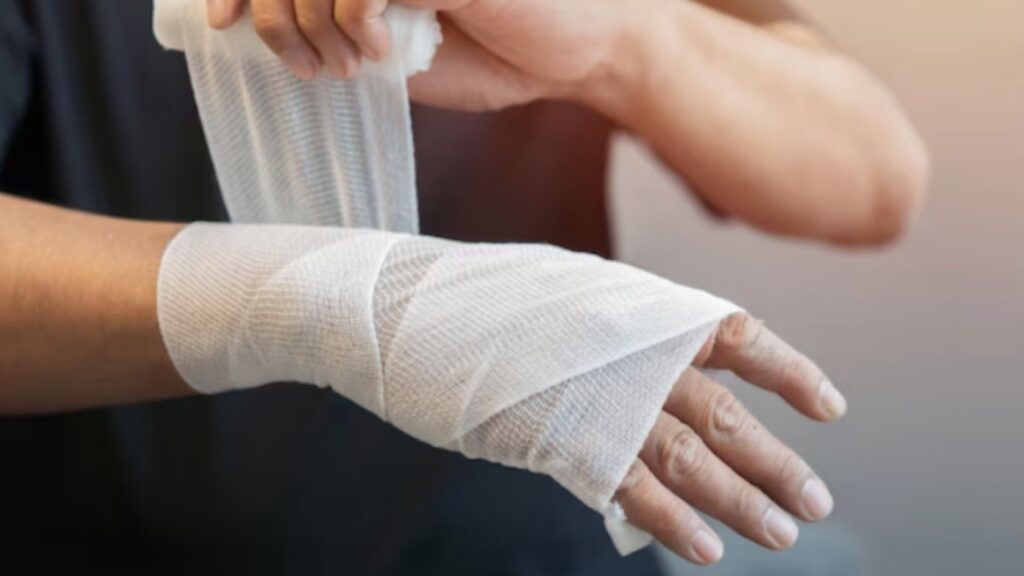
Purpose of Reconstructive Hand Surgery
The hand is a complex structure made up of bones, tendons, nerves, muscles, and blood vessels working together for movement and sensation. When any of these components are damaged, reconstructive surgery helps rebuild:
Movement
Stability
Sensation
Strength
These procedures aim to restore independence in daily activities such as gripping, writing, lifting, and performing fine motor tasks.
Conditions That Require Reconstructive Hand Surgery
Reconstructive procedures are often performed to address conditions caused by:
Trauma
Severe injuries such as:
Crush injuries
Deep cuts
Amputations
Mangled hands
may require advanced surgical repair.
Congenital Differences
Some individuals are born with structural differences that affect hand function. Surgery helps improve movement and coordination.
Disease
Conditions such as arthritis or nerve compression can gradually damage hand structures and limit mobility.
Burns
Burn injuries may cause loss of soft tissue or scar-related stiffness that requires surgical correction.
Key Reconstructive Hand Surgery Procedures
Reconstructive hand surgery involves several specialized techniques. Each procedure is selected based on the type and extent of damage.
Microsurgery and Replantation
Microsurgery involves using high-magnification tools to repair very small structures such as nerves and blood vessels.
This technique is used to:
Restore circulation
Repair delicate nerves
Reattach severed fingers or parts of the hand
Replantation is a highly precise procedure aimed at restoring both function and appearance.
endon Repair and Tendon Transfer
Tendons allow the hand to move by connecting muscles to bones. Injury or disease can disrupt these structures.
Reconstructive surgery may involve:
Repairing damaged tendons
Transferring a healthy tendon to replace a non-functioning one
Tendon transfer helps restore movement when muscles cannot recover naturally.
Soft Tissue Reconstruction
Soft tissue damage may result from trauma, infection, or burns.
This is managed using:
Skin grafts
Tissue flaps
Tissue flaps may include skin, fat, or muscle transferred from another part of the body to cover wounds or replace lost tissue.
This improves:
Protection
Appearance
Structural support
Nerve Repair and Grafting
Nerve damage can result in:
Loss of sensation
Weakness
Limited movement
Nerve repair involves reconnecting damaged nerves. In some cases, nerve grafting is performed using healthy nerve tissue to bridge gaps.
This helps restore:
Feeling
Motor control
Functional coordination
Joint Reconstruction and Replacement
Joint damage caused by arthritis or trauma may lead to stiffness and discomfort.
Reconstructive joint procedures include:
Joint reshaping
Joint stabilization
Joint replacement
These techniques improve:
Flexibility
Range of motion
Comfort during movement
Bone Reconstruction
Bone damage may occur due to fractures or loss of structural integrity.
Bone reconstruction may involve:
Realignment procedures
Bone grafting
Fixation using plates, screws, or pins
These methods restore strength and stability to the hand.
Thumb Reconstruction and Pollicization
The thumb plays a major role in hand function. When it is missing or non-functional, reconstructive procedures may help rebuild its role.
Pollicization is a specialized procedure in which an index finger is repositioned and reconstructed to function as a thumb.
This allows restoration of:
Grip strength
Pinch ability
Functional independence
Fasciotomy and Fasciectomy
Some conditions cause tightening of tissue in the hand.
These procedures help:
Release contracted tissue
Improve finger movement
Restore flexibility
They are often used for conditions that limit extension of the fingers.
How These Procedures Improve Hand Function
Reconstructive hand surgery is not only about appearance but also about restoring practical abilities.
These procedures help:
Improve grip strength
Enhance coordination
Restore sensation
Reduce stiffness
Support smoother movement
Anesthesia Used
Reconstructive procedures may be performed under:
Local anesthesia
Regional anesthesia
General anesthesia
The choice depends on the type of surgery and its complexity.
Recovery and Rehabilitation
Recovery after reconstructive hand surgery is a gradual process.
Recovery Timeline
Healing may take:
Several weeks for minor repairs
Several months for complex reconstruction
In some cases, full recovery may take up to a year.
Role of Rehabilitation
Post-operative therapy is essential for:
Regaining strength
Improving flexibility
Restoring coordination
Structured rehabilitation helps maximize surgical outcomes.
Long-Term Benefits
Reconstructive hand surgery provides several long-term advantages:
Improved movement
Enhanced functional ability
Greater independence
Reduced discomfort
Better hand alignment
It supports both physical recovery and improved daily activity performance.
Personalized Surgical Planning
Every reconstructive procedure is tailored based on:
Type of injury or condition
Extent of tissue damage
Functional goals
This individualized approach ensures optimal restoration of both structure and movement.
Reconstructive hand surgery procedures continue to play a vital role in restoring hand function and improving quality of life for individuals seeking advanced treatment options in Thrissur.
Table Of Content
Hand surgery involves surgical procedures to treat injuries, deformities, nerve conditions, and functional problems of the hand and wrist. Learn more
The cost of hand surgery varies based on the condition, surgical complexity, hospital facilities, and postoperative rehabilitation needs. Learn more
Microsurgical hand surgery uses advanced techniques to repair nerves, blood vessels, and small tissues under magnification. Learn more
Hand injury repair surgery involves correcting fractures, tendon injuries, nerve damage, or soft tissue injuries to restore movement and function. Learn more
Frequently Asked Questions
1. What is reconstructive hand surgery?
Reconstructive hand surgery focuses on restoring the function, structure, and appearance of the hand, fingers, or wrist after injury, disease, or congenital conditions.
2. Who may need reconstructive hand surgery?
Individuals with trauma injuries, birth differences, nerve damage, burns, or joint problems may benefit from reconstructive procedures.
3. What types of procedures are included in reconstructive hand surgery?
Common procedures include tendon repair, nerve repair, skin grafting, flap reconstruction, joint reconstruction, and bone fixation.
4. What is microsurgery in hand reconstruction?
Microsurgery involves repairing tiny structures such as nerves and blood vessels using specialized tools to restore movement and sensation.
5. Can reconstructive surgery restore hand movement?
Yes. Procedures such as tendon repair and joint reconstruction help improve flexibility and restore functional movement.
6. Is nerve repair part of reconstructive surgery?
Yes. Nerve repair and grafting are important techniques used to restore sensation and motor control.
7. How long does recovery take after reconstructive hand surgery?
Recovery varies depending on the procedure. Minor repairs may heal faster, while complex reconstructions may take several months.
8. Is rehabilitation necessary after surgery?
Yes. Hand therapy plays a vital role in regaining strength, flexibility, and coordination after surgery.
9. What anesthesia is used for reconstructive hand procedures?
Depending on the complexity, procedures may be performed under local, regional, or general anesthesia.
10. Can reconstructive hand surgery improve daily activities?
Yes. By restoring grip, movement, and sensation, these procedures help improve independence in everyday tasks.

