
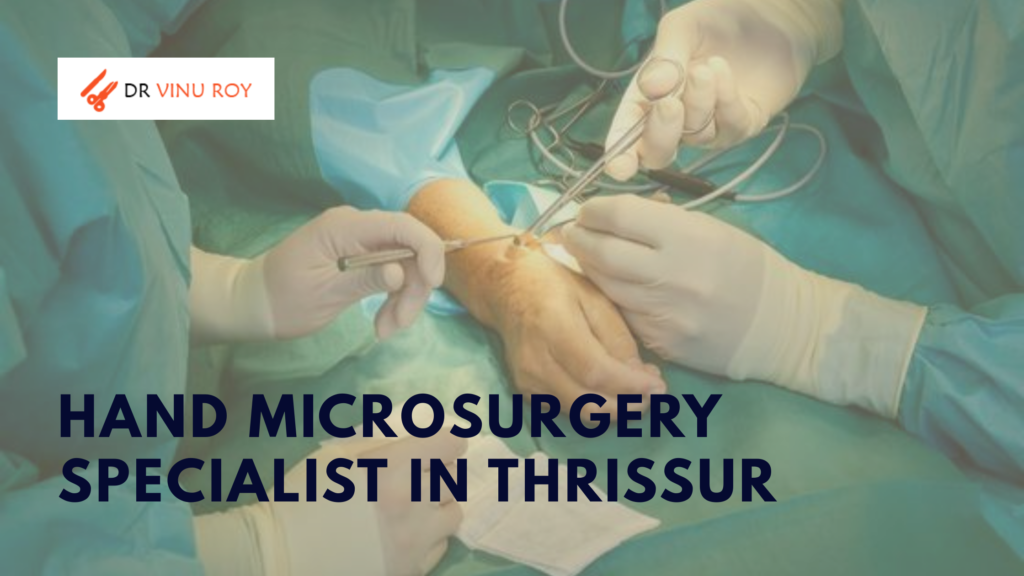
Our hands are among the most remarkable creations of the human body. From the moment we wake up, we use them constantly—whether it’s typing on a phone, preparing food, driving, working, or even expressing emotions through gestures. The mobility, coordination, and sensitivity of our hands play a crucial role in our independence and quality of life. But when an unexpected injury, medical condition, or long-term wear and tear affects the hands, even the simplest daily activities can feel like a challenge.
This is where hand microsurgery becomes a life-changing solution. Hand microsurgery is a highly advanced branch of medical science that deals with precise treatments for delicate structures in the hand, such as nerves, tendons, and small blood vessels. Unlike general procedures, microsurgery requires specialized expertise, advanced instruments, and exceptional skill to restore fine movement and functionality.
Why Choose a Hand Microsurgery Specialist in Thrissur?
The hand is made up of tiny nerves, blood vessels, tendons, and bones that work together in perfect harmony. A hand microsurgery specialist is trained to handle these intricate structures under magnification, ensuring that even the smallest details are preserved. This expertise is vital in complex cases where every millimeter counts for restoring strength, movement, and sensitivity.
2. Advanced Techniques for Better Results
Hand microsurgery goes beyond basic treatments. Specialists use cutting-edge techniques to repair, reconnect, or reconstruct delicate hand tissues. With advanced tools and precision, they can achieve natural-looking, long-lasting results that improve both functionality and appearance.
3. Faster Recovery & Rehabilitation
A major benefit of consulting a hand microsurgery specialist in Thrissur is faster recovery time. Because microsurgery involves minimally invasive techniques, patients often experience smoother healing, less scarring, and a quicker return to daily activities. Paired with proper rehabilitation and physiotherapy, the outcome is both effective and sustainable.
4. Experience in Handling Complex Cases
From accidental injuries to congenital hand conditions and repetitive stress disorders, specialists have the training to deal with highly complex cases. This makes them the best choice for patients who require more than general medical attention.
5. Personalized Care Close to Home
One of the biggest advantages of seeking treatment in Thrissur is accessibility. Patients don’t need to travel to larger metro cities to find top-quality care. Hand microsurgery specialists in Thrissur provide world-class expertise locally, saving time, effort, and costs while still ensuring international-level treatment.
6. Enhanced Quality of Life
At its core, hand microsurgery isn’t just about restoring movement—it’s about restoring independence, confidence, and quality of life. Choosing a specialist means choosing the best chance of regaining the ability to do the things you love—whether it’s working, cooking, writing, or simply holding your loved one’s hand.
7. Trust & Reputation of Thrissur’s Healthcare
Kerala has long been known for its advanced healthcare system, and Thrissur is no exception. With skilled specialists, modern hospitals, and compassionate care, patients can feel confident that they are in safe hands when consulting a hand microsurgery expert in the city.
Common Conditions Treated with Hand Microsurgery
1. Nerve Injuries
Nerves in the hand are responsible for both movement and sensation. Injuries to these nerves can cause numbness, weakness, or even loss of movement. A microsurgery specialist uses magnification techniques to carefully repair or reconstruct nerves, helping patients regain sensation and control.
Example: A person who has difficulty holding objects or experiences a “pins and needles” feeling may benefit from nerve-focused microsurgery.
2. Tendon Injuries
Tendons are like strong ropes that connect muscles to bones, allowing fingers and the wrist to move smoothly. If tendons are injured due to an accident or repetitive strain, movement becomes restricted. Microsurgery allows specialists to restore tendon function with precision, so the hand regains flexibility and strength.
3. Congenital Hand Conditions
Some individuals are born with hand differences such as fused fingers or underdeveloped structures. Hand microsurgery can help correct many of these conditions, improving appearance, movement, and overall quality of life. Early treatment by a specialist ensures better outcomes as children grow.
4. Complex Hand Fractures
Not all fractures are simple. Some involve multiple small bones, joints, or surrounding tissues. In such cases, microsurgery provides the accuracy needed to stabilize the hand while preserving delicate structures. This ensures the hand heals properly and regains near-normal function.
5. Accidental Trauma
Everyday accidents at home, workplace incidents, or road injuries can cause serious hand problems. When standard treatment isn’t enough, microsurgery provides advanced solutions to repair delicate structures and restore functionality. Patients benefit from natural movement and reduced long-term complications.
6. Carpal Tunnel Syndrome & Nerve Compression
One of the most common hand-related issues is carpal tunnel syndrome, caused by pressure on a major nerve in the wrist. This leads to tingling, weakness, or difficulty in gripping objects. A microsurgery specialist can perform precise procedures to relieve this pressure, offering long-lasting relief and improved hand strength.
7. Arthritis-Related Deformities
With age or long-term wear and tear, arthritis can cause stiffness, deformity, and pain in the hands. Microsurgery is often used in advanced cases to reconstruct joints, restore movement, and reduce discomfort. Combined with therapy, this can dramatically improve daily living.
8. Replantation and Restoration
In some cases of severe injury, patients may lose part of finger or hand function. Microsurgery offers the possibility of reattachment and restoration, allowing individuals to regain significant use of their hands. Such procedures require an expert hand microsurgery specialist with years of training.
9. Chronic Conditions from Repetitive Strain
In today’s digital world, repetitive tasks such as typing, using a smartphone, or factory work can strain hand structures over time. This can lead to tendon or nerve problems. Microsurgery offers effective treatment for such long-standing issues, especially when conservative methods no longer work.
10. Tumors or Growths in the Hand
Sometimes, non-cancerous growths or lumps can develop in the hand, affecting movement or causing discomfort. A specialist can remove these with precise microsurgical techniques, ensuring minimal impact on surrounding tissues.
Tips for Maintaining Healthy Hands
1. Practice Hand Exercises Regularly
Simple stretching and strengthening exercises can keep your hands flexible and strong. Try opening and closing your fists, rotating your wrists, and gently stretching your fingers. Doing this for just a few minutes daily can improve circulation and reduce stiffness.
2. Maintain Good Ergonomics
With long hours spent on computers and smartphones, many people unknowingly strain their hands and wrists. Ensure your workspace is ergonomically designed—keep your wrists straight while typing, take frequent breaks, and use supportive accessories like ergonomic keyboards or wrist rests.
3. Protect Your Hands During Daily Tasks
Household chores, gardening, or lifting heavy objects can strain your hands. Using protective gloves while cleaning or working outdoors and practicing proper lifting techniques can prevent unnecessary injuries.
4. Stay Hydrated & Nourished
Hydration and a nutrient-rich diet benefit not just the body but also the joints, muscles, and skin of the hands. Foods rich in Omega-3 fatty acids, Vitamin D, and Calcium support bone and joint health, while staying hydrated helps maintain flexibility.
5. Avoid Repetitive Strain
Repetitive tasks such as prolonged typing, texting, or using tools can cause long-term strain. Give your hands frequent breaks, stretch them gently, and vary your tasks when possible to reduce stress on the same muscles and tendons.
6. Keep Hands Warm and Flexible
Cold temperatures can make joints stiff. If you work in cooler environments, consider using gloves or gentle hand warm-ups to maintain flexibility. This is particularly important for those prone to arthritis or joint stiffness
How Microsurgery Differs from General Surgery
Traditional surgical methods are effective for many cases, but when it comes to the intricate details of the hand, microsurgery offers a level of accuracy that cannot be matched.
Precision: Microsurgery involves working on areas that are sometimes just a few millimeters in size.
Magnification: Specialists use operating microscopes and fine instruments to see and repair structures invisible to the naked eye.
Better Outcomes: Because of its accuracy, patients often experience faster recovery, minimal scarring, and more natural movement after microsurgery compared to conventional methods.
If you have hand pain, stiffness, numbness, weakness, or difficulty performing daily tasks, it’s best to consult a specialist for proper evaluation.
Hand microsurgery is used for nerve and tendon injuries, carpal tunnel syndrome, arthritis-related issues, congenital hand conditions, complex fractures, and trauma-related problems.
Yes. When performed by a trained specialist, hand microsurgery is safe and aims to restore natural function with minimal impact on surrounding tissues.
Recovery depends on the condition and treatment. Many patients start to see improvements within weeks, with full results in a few months. Physiotherapy often helps speed up recovery.
Yes. Modern microsurgical techniques are designed to ensure natural appearance and functionality.
Yes. Specialists can treat conditions in both adults (injuries, arthritis, carpal tunnel, etc.) and children (congenital hand conditions).
In many cases, physiotherapy is recommended after treatment to regain strength, flexibility, and movement.

