
Carpal Tunnel Syndrome Procedure Steps in Thrissur: Surgical Process, Technique, and Recovery Overview
Carpal Tunnel Syndrome Procedure Steps in Thrissur involve a structured surgical approach aimed at relieving pressure on the median nerve in the wrist. This condition develops when the nerve becomes compressed within the carpal tunnel, leading to symptoms such as numbness, tingling, pain, and weakness in the hand. When non-surgical treatments are not effective, a surgical procedure known as carpal tunnel release may be recommended. Understanding each step of the procedure helps individuals prepare for treatment and set realistic expectations for recovery.

1. Carpal Tunnel Syndrome Procedure Steps in Thrissur – Pre-Operative Evaluation
Before the procedure, a detailed evaluation is conducted to confirm the diagnosis and assess the severity of the condition.
This may include:
- Review of medical history
- Physical examination
- Nerve conduction studies or EMG
- Imaging if required
This step ensures that surgery is appropriate and helps plan the procedure effectively.
2. Patient Preparation
Proper preparation is required before surgery to ensure safety and smooth execution.
Preparation may include:
- Following fasting instructions if advised
- Adjusting medications
- Cleaning the surgical area
- Arranging transportation after the procedure
These steps help reduce risks and improve outcomes.
3. Anesthesia Administration
The procedure is usually performed under local anesthesia, sometimes with sedation.
Anesthesia helps numb the surgical area and ensures that the patient remains comfortable during the procedure. In some cases, regional anesthesia may also be used.
4. Surgical Approach Selection
There are two main surgical techniques used for carpal tunnel release.
- Open surgery: A small incision is made in the palm to access the carpal tunnel
- Endoscopic surgery: A smaller incision with a camera is used for a minimally invasive approach
The choice depends on individual factors and clinical evaluation.
5. Incision and Exposure
In this step, a small incision is made near the wrist or palm to access the carpal tunnel.
The surgeon carefully exposes the transverse carpal ligament, which forms the roof of the tunnel.
6. Ligament Release
The main step of the procedure involves cutting the transverse carpal ligament.
This releases pressure on the median nerve and allows it to function normally. Over time, the ligament heals in a way that provides more space for the nerve.
7. Nerve Inspection
The median nerve is carefully examined to ensure there is no additional compression or damage.
This step helps confirm that the decompression is complete and effective.
8. Closure of Incision
After the ligament is released, the incision is closed using sutures.
A sterile dressing is applied to protect the area and support healing.
9. Immediate Post-Procedure Care
After the procedure, the hand is usually bandaged, and patients are monitored for a short period.
Immediate care includes:
- Keeping the hand elevated
- Managing mild discomfort
- Monitoring for any complications
Most procedures are performed on a day-care basis.
10. Recovery Phase
Recovery begins soon after the procedure and may vary depending on individual factors.
Typical recovery aspects include:
- Gradual improvement in symptoms
- Temporary soreness or stiffness
- Limited hand use initially
- Return to normal activities over time
Recovery timelines differ from person to person.
11. Role of Physiotherapy
Physiotherapy may be recommended to improve strength, flexibility, and function.
Therapy may include:
- Hand exercises
- Stretching routines
- Nerve gliding techniques
- Functional training
This supports better recovery and prevents stiffness.
12. Follow-Up Care
Follow-up visits are important to monitor healing and remove sutures if required.
Regular check-ups help ensure proper recovery and address any concerns early.
Risks and Precautions
Although the procedure is generally safe, some risks may exist.
Possible risks include:
- Infection
- Bleeding
- Scar sensitivity
- Temporary weakness
Following post-operative instructions helps reduce these risks.
Expected Outcomes
Most individuals experience relief from symptoms such as pain, numbness, and tingling after the procedure.
Improvement in hand strength and function occurs gradually over time.
Return to Daily Activities
Patients can usually return to light activities within a short period, while full recovery may take several weeks.
Gradual return to work and normal routines is recommended.
Preventing Recurrence
Preventive measures are important after recovery to avoid recurrence.
These include:
- Maintaining proper wrist posture
- Taking breaks during repetitive tasks
- Using ergonomic tools
- Performing regular exercises
These steps help maintain long-term results.
Emotional and Functional Benefits
Relief from symptoms can improve both physical comfort and emotional well-being.
Restoring hand function enhances confidence and quality of life.
Final Overview
Carpal Tunnel Syndrome Procedure Steps in Thrissur involve a carefully planned surgical approach that includes evaluation, preparation, ligament release, and structured recovery. Understanding each step helps individuals feel more prepared and confident about the procedure.
With proper care, rehabilitation, and preventive measures, most individuals achieve significant symptom relief and improved hand function, leading to better long-term outcomes and overall quality of life.
Table Of Content
Carpal tunnel syndrome:
Carpal tunnel syndrome treatment in Thrissur focuses on relieving median nerve compression to reduce pain, numbness, and improve hand function. Learn more
Consultation:
During consultation in Thrissur, the doctor evaluates symptoms, performs physical examination, and may recommend nerve conduction studies. Learn more
Cost:
The cost in Thrissur varies based on treatment type, severity of the condition, hospital facilities, and follow-up care. Learn more
Risks:
Risks may include temporary pain, stiffness, infection, nerve irritation, or incomplete symptom relief depending on treatment. Learn more
Preparation:
Preparation in Thrissur includes medical evaluation, medication review, lifestyle adjustments, and planning for recovery and support. Learn more
Frequently Asked Questions
1. What is the procedure for Carpal Tunnel Syndrome?
The procedure involves relieving pressure on the median nerve by cutting the ligament covering the carpal tunnel.
2. How long does the carpal tunnel procedure take?
The procedure usually takes about 20–40 minutes, depending on the technique used.
3. Is the procedure painful?
The procedure is generally not painful as it is performed under local anesthesia, though mild discomfort may occur after surgery.
4. What types of surgical methods are used?
Common methods include open surgery and endoscopic surgery, both aimed at relieving nerve pressure.
5. Will I need to stay in the hospital?
Most procedures are done as day-care surgeries, and patients can return home the same day.
6. How soon can I use my hand after the procedure?
Light use of the hand may begin within a few days, but full recovery may take several weeks.
7. Are stitches required after the procedure?
Yes, stitches are usually placed to close the incision and are removed during follow-up visits.
8. What are the risks of the procedure?
Possible risks include infection, bleeding, nerve irritation, and temporary weakness.
9. Will symptoms improve immediately after surgery?
Some symptoms may improve quickly, while others may take time depending on the severity of nerve compression.
10. Is physiotherapy needed after the procedure?
Physiotherapy may be recommended to restore strength, flexibility, and hand function during recovery.
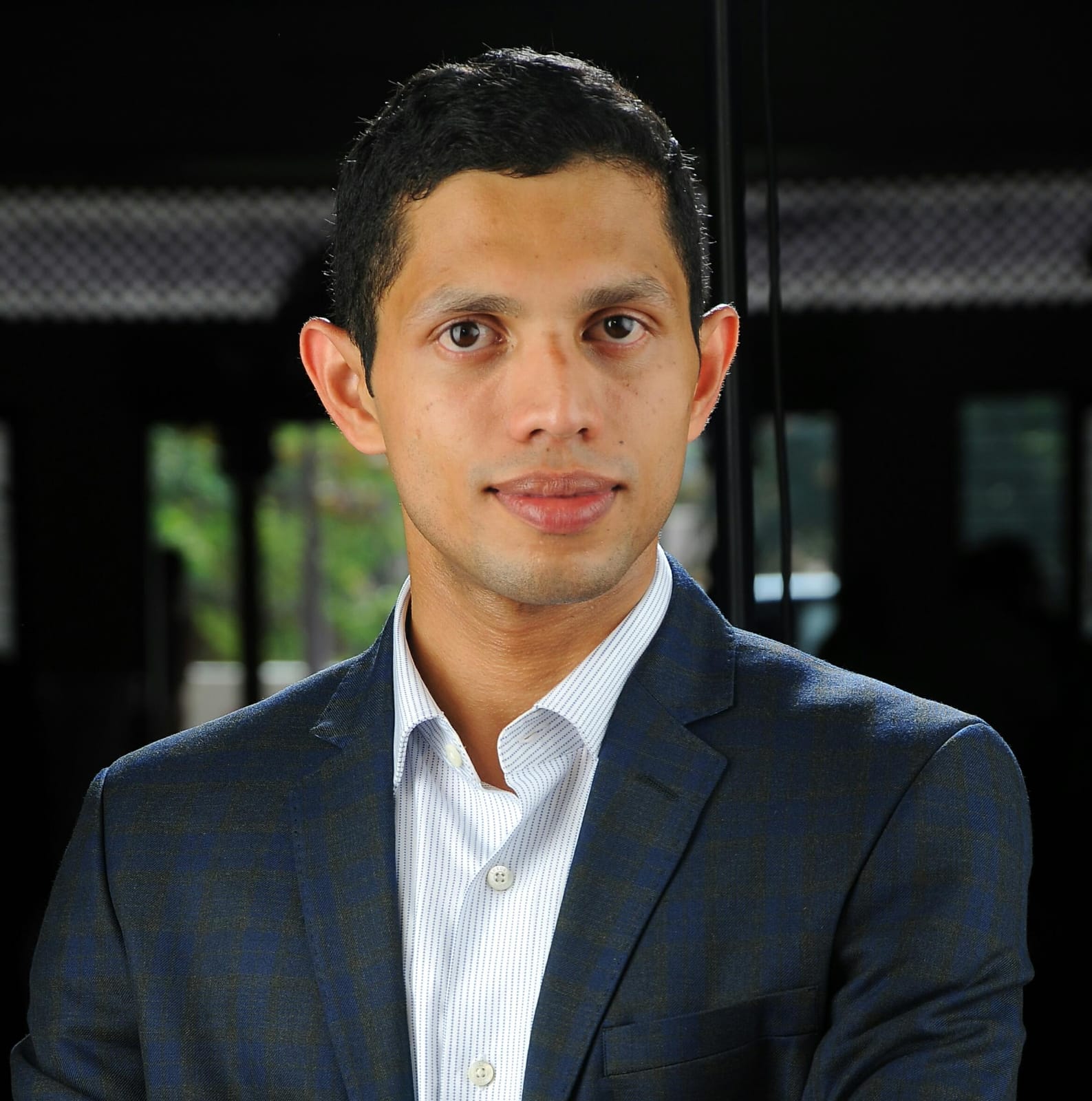
Dr Vinu Roy
Plastic and Cosmetic SurgeonDr Vinu Roy is a plastic and cosmetic surgeon with expertise in cosmetic surgery, reconstructive surgery, microvascular surgery, hand surgery, trauma reconstruction, and brachial plexus procedures.
He focuses on enhancing both form and function with personalized surgical care, helping patients achieve their aesthetic and reconstructive goals with confidence.
Sushrutha Institute of Plastic, Reconstructive, and Aesthetic Surgery, Elite Mission Hospital, Koorkenchery, Thrissur

