
Carpal Tunnel Syndrome Preparation in Thrissur and Pre-Treatment Guidance
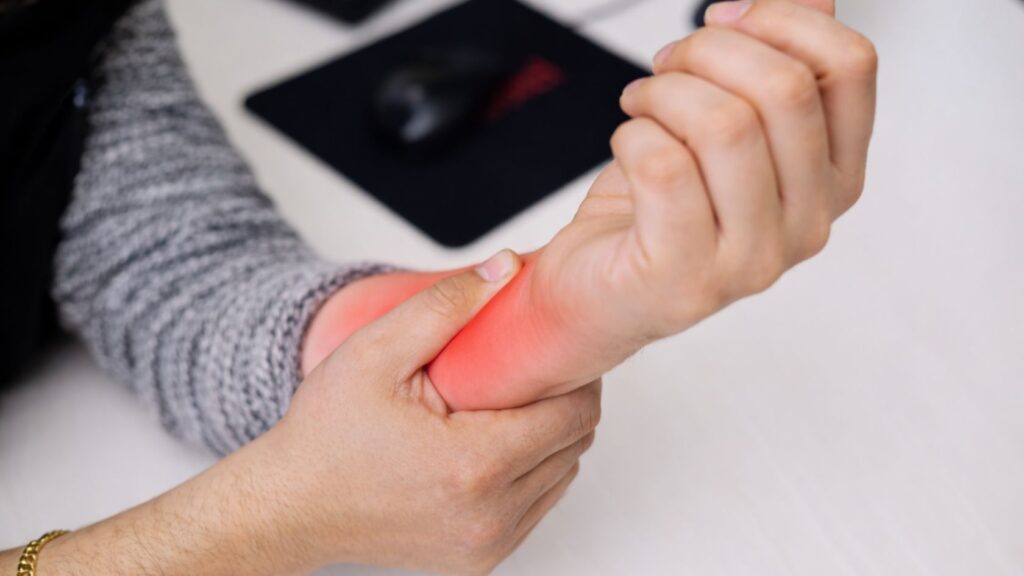
Carpal Tunnel Syndrome Preparation in Thrissur involves a series of steps taken before starting treatment to ensure better outcomes and smoother recovery. Whether the condition is managed through non-surgical methods or requires surgical intervention, proper preparation helps reduce risks, improves comfort, and supports faster healing. Understanding what to expect and how to prepare can help individuals approach treatment with confidence and clarity.
1. Carpal Tunnel Syndrome Preparation – Understanding the Condition
Carpal Tunnel Syndrome occurs due to compression of the median nerve in the wrist. Preparation begins with understanding the condition, its causes, and how it affects hand function.
Being aware of symptoms such as numbness, tingling, and weakness helps individuals recognize the need for timely care and proper preparation.
2. Importance of Early Planning
Early preparation plays a key role in ensuring effective treatment. Planning ahead allows individuals to organize their routine, manage work responsibilities, and prepare for recovery time.
It also helps in reducing stress and improving overall treatment experience.
3. Medical Evaluation
A thorough medical evaluation is an essential part of preparation. This includes reviewing medical history, current medications, and existing health conditions.
The evaluation helps identify any factors that may affect treatment or recovery.
4. Diagnostic Tests
Diagnostic tests may be recommended before starting treatment to confirm the condition and assess severity.
Common tests include:
- Nerve conduction studies
- Electromyography (EMG)
- Imaging if required
These tests provide important information for treatment planning.
5. Lifestyle Adjustments
Making certain lifestyle changes before treatment can help improve outcomes.
Recommended adjustments include:
- Reducing repetitive hand movements
- Maintaining proper wrist posture
- Taking regular breaks during work
- Using ergonomic tools
These changes help reduce strain on the wrist.
6. Medication Guidance
Patients may receive instructions regarding medications before treatment.
This may include:
- Continuing or adjusting existing medications
- Avoiding certain medications if required
- Taking prescribed medicines for symptom relief
Following medical advice is important to ensure safety.
7. Preparing for Non-Surgical Treatment
If non-surgical treatment is planned, preparation may involve:
- Using wrist splints
- Starting physiotherapy exercises
- Modifying daily activities
These steps help in managing symptoms effectively.
8. Preparing for Surgery
If surgery is recommended, additional preparation is required.
This may include:
- Pre-surgical evaluation
- Instructions regarding fasting
- Arranging transportation
- Planning time off from work
Proper preparation helps ensure a smooth surgical experience.
9. Home Preparation
Preparing the home environment can make recovery easier.
Suggestions include:
- Keeping essential items within reach
- Arranging a comfortable resting area
- Avoiding activities that strain the hand
- Preparing for limited hand use temporarily
This helps support recovery after treatment.
10. Work and Activity Planning
Planning work and daily activities in advance is important.
Considerations include:
- Informing workplace about treatment
- Adjusting workload
- Taking necessary leave
- Planning gradual return to work
This ensures minimal disruption during recovery.
11. Understanding Recovery Expectations
Knowing what to expect during recovery helps reduce anxiety.
Recovery may involve:
- Temporary discomfort
- Gradual improvement in symptoms
- Limited hand use initially
- Need for follow-up care
Clear expectations improve treatment experience.
12. Role of Physiotherapy
Physiotherapy is often part of preparation and recovery.
It may include:
- Stretching exercises
- Strengthening routines
- Nerve gliding techniques
- Posture correction
This supports better outcomes and prevents recurrence.
13. Emotional Preparation
Preparing mentally for treatment is equally important. Understanding the process and expected outcomes helps reduce stress and improve confidence.
14. Following Medical Instructions
Following all medical instructions before treatment is essential. This includes medication guidelines, activity restrictions, and pre-procedure instructions.
15. Preventing Complications
Proper preparation helps reduce the risk of complications.
Preventive steps include:
- Maintaining hygiene
- Avoiding strain on the wrist
- Following recommended exercises
- Attending follow-up visits
These measures support safe recovery.
16. Importance of Support System
Having support from family or caregivers can help during recovery. Assistance with daily activities may be needed, especially in the initial phase.
17. Long-Term Planning
Preparation should also include long-term care strategies to prevent recurrence.
This may involve:
- Ergonomic improvements
- Regular exercises
- Monitoring symptoms
- Maintaining overall health
These steps help sustain results.
Final Overview
Carpal Tunnel Syndrome Preparation in Thrissur involves a comprehensive approach that includes medical evaluation, lifestyle adjustments, and planning for treatment and recovery. Proper preparation helps improve treatment outcomes, reduce risks, and support faster healing.
By understanding the process and following recommended guidelines, individuals can approach treatment with confidence and achieve better long-term hand function and comfort.
Table Of Content
Carpal tunnel syndrome:
Carpal tunnel syndrome treatment in Thrissur focuses on relieving median nerve compression to reduce pain, numbness, and improve hand function. Learn more
Consultation:
During consultation in Thrissur, the doctor evaluates symptoms, performs physical examination, and may recommend nerve conduction studies. Learn more
Cost:
The cost in Thrissur varies based on treatment type, severity of the condition, hospital facilities, and follow-up care. Learn more
Risks:
Risks may include temporary pain, stiffness, infection, nerve irritation, or incomplete symptom relief depending on treatment. Learn more
Procedure and Steps:
The procedure in Thrissur typically involves anesthesia, a small incision to release the compressed median nerve, relieving pressure, and closing the incision followed by postoperative care. Learn more
Frequently Asked Questions
1. Why is preparation important before Carpal Tunnel Syndrome treatment?
Preparation helps ensure better treatment outcomes, reduces risks, and supports a smoother recovery process.
2. What should I do before starting treatment?
You should follow medical advice, undergo necessary tests, and make lifestyle adjustments to reduce wrist strain.
3. Are diagnostic tests required before treatment?
Yes, tests like nerve conduction studies or EMG may be recommended to confirm the condition and assess severity.
4. Do I need to stop any medications before treatment?
Medication adjustments may be required based on medical advice, so it is important to inform about all current medications.
5. How should I prepare if surgery is recommended?
Preparation may include pre-surgical evaluation, following fasting instructions, and planning time for recovery.
6. Can lifestyle changes help before treatment?
Yes, reducing repetitive hand movements, improving posture, and using ergonomic tools can help manage symptoms.
7. Should I prepare my home before treatment?
Yes, arranging a comfortable space and keeping essentials within reach can help during recovery.
8. Will I need help after treatment?
You may need assistance with daily activities, especially during the initial recovery period.
9. How can I prepare for recovery?
Understanding recovery expectations, following physiotherapy plans, and avoiding strain can help improve healing.
10. Does preparation reduce the risk of complications?
Yes, proper preparation and adherence to medical advice can significantly reduce the risk of complications.

Dr Vinu Roy
Plastic and Cosmetic SurgeonDr Vinu Roy is a plastic and cosmetic surgeon with expertise in cosmetic surgery, reconstructive surgery, microvascular surgery, hand surgery, trauma reconstruction, and brachial plexus procedures.
He focuses on enhancing both form and function with personalized surgical care, helping patients achieve their aesthetic and reconstructive goals with confidence.
Sushrutha Institute of Plastic, Reconstructive, and Aesthetic Surgery, Elite Mission Hospital, Koorkenchery, Thrissur

