
Carpal Tunnel Syndrome Consultation in Thrissur: Assessment, Diagnosis Planning, and Treatment Guidance
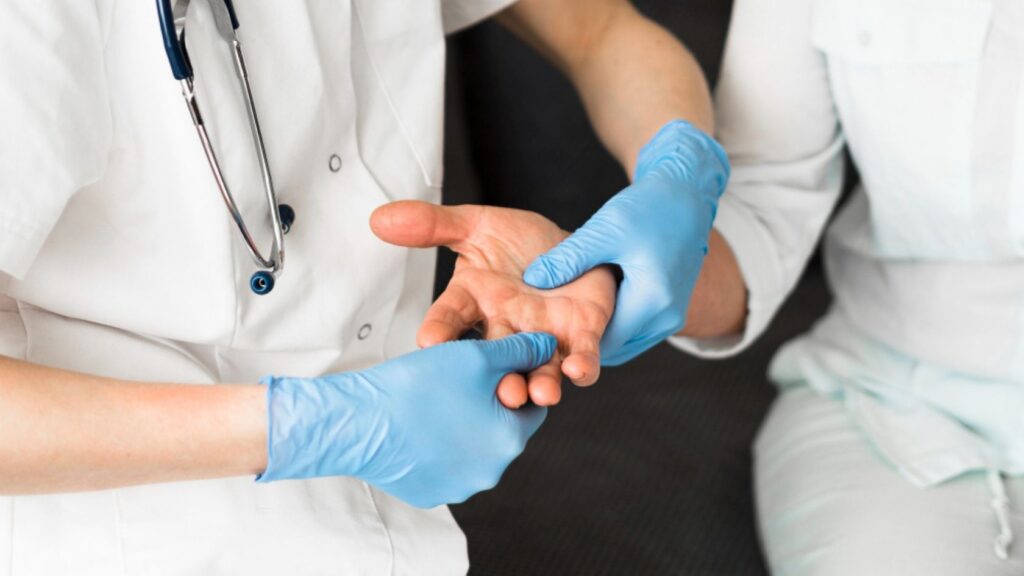
Carpal Tunnel Syndrome Consultation in Thrissur is an important step for individuals experiencing symptoms such as numbness, tingling, wrist pain, or weakness in the hand. This consultation focuses on identifying the cause of symptoms, evaluating the severity of nerve compression, and planning appropriate treatment. Early consultation helps prevent progression of the condition and supports better recovery, allowing individuals to maintain comfort and function in daily activities.
1. Understanding Carpal Tunnel Syndrome Consultation
A consultation is designed to assess issues related to the median nerve in the wrist. Carpal Tunnel Syndrome occurs when this nerve is compressed within a narrow passage in the wrist, leading to discomfort and reduced hand function.
The consultation helps determine whether symptoms are mild, moderate, or severe and guides decisions regarding treatment options.
2. Common Symptoms Evaluated
During the consultation, symptoms are discussed in detail to understand their nature and impact.
Common symptoms include:
- Tingling or numbness in fingers
- Pain in the wrist or hand
- Weakness in grip strength
- Difficulty holding objects
- Hand fatigue
Symptoms may worsen at night or during repetitive activities.
3. Medical History Review
A detailed medical history is taken to understand possible contributing factors. Information about past injuries, existing medical conditions, and lifestyle habits is considered.
Factors such as repetitive hand movements, occupational strain, and conditions like diabetes or arthritis are evaluated.
4. Physical Examination
A physical examination of the hand and wrist is performed to assess function and identify signs of nerve compression.
The examination may include:
- Checking range of motion
- Evaluating grip strength
- Testing sensation in fingers
- Identifying tenderness or swelling
This helps determine the severity of the condition.
5. Diagnostic Tests
In some cases, additional tests are recommended to confirm the diagnosis and evaluate nerve function.
These may include:
- Nerve conduction studies
- Electromyography (EMG)
- Imaging tests if required
These investigations provide detailed insights for accurate diagnosis.
6. Identifying Severity of the Condition
The consultation helps classify the condition based on symptom severity and functional impact.
- Mild: Occasional symptoms with minimal discomfort
- Moderate: Frequent symptoms affecting daily tasks
- Severe: Persistent symptoms with weakness and reduced function
This classification guides treatment planning.
7. Discussion of Non-Surgical Treatment
For early or moderate cases, non-surgical treatment options are usually discussed.
These may include:
- Wrist splinting
- Medications for pain relief
- Physiotherapy
- Activity modification
- Ergonomic adjustments
These methods aim to relieve pressure on the nerve and reduce symptoms.
8. When Surgery is Considered
Surgery may be discussed if symptoms are severe or do not improve with conservative treatment.
Indications for surgery include:
- Persistent numbness or pain
- Weakness in the hand
- Loss of function
- Lack of improvement with non-surgical methods
The consultation helps determine whether surgery is necessary.
9. Understanding the Procedure
If surgery is recommended, details about the procedure are explained. The most common procedure is carpal tunnel release, which reduces pressure on the median nerve.
Information provided includes:
- Type of procedure
- Expected outcomes
- Recovery process
- Possible risks
This helps individuals make informed decisions.
10. Importance of Early Consultation
Early consultation helps prevent complications such as permanent nerve damage or muscle weakness. Timely evaluation allows for effective treatment and better outcomes.
11. Preparing for the Consultation
Preparing in advance can make the consultation more effective.
Suggested preparation includes:
- Listing symptoms and concerns
- Bringing previous medical reports
- Noting medications
- Preparing questions
This ensures a comprehensive evaluation.
12. Role of Physiotherapy Planning
Rehabilitation is often discussed as part of treatment planning. Physiotherapy helps improve strength, flexibility, and nerve mobility.
It may include:
- Stretching exercises
- Strengthening routines
- Posture correction
- Ergonomic advice
This supports recovery and prevents recurrence.
13. Lifestyle and Ergonomic Advice
Lifestyle modifications play a key role in managing symptoms and preventing worsening.
Recommendations may include:
- Maintaining proper wrist posture
- Taking breaks during repetitive tasks
- Using ergonomic tools
- Avoiding excessive strain
These measures help improve long-term outcomes.
14. Setting Realistic Expectations
The consultation helps set realistic expectations regarding treatment and recovery.
Individuals are informed about:
- Duration of recovery
- Expected improvements
- Limitations during healing
- Need for follow-up
This helps in better understanding and planning.
15. Follow-Up and Monitoring
Follow-up visits are important to monitor progress and adjust treatment if needed. Regular evaluation ensures effective recovery and helps identify any complications early.
16. Impact on Daily Life
Carpal Tunnel Syndrome can affect everyday activities such as typing, writing, and holding objects. Consultation helps identify these challenges and provides solutions to improve function.
17. Emotional and Functional Benefits
Understanding the condition and receiving proper guidance can reduce anxiety and improve confidence. Relief from symptoms enhances both physical and emotional well-being.
Final Overview
Carpal Tunnel Syndrome Consultation in Thrissur provides a structured approach to evaluating symptoms, identifying causes, and planning treatment. It plays a crucial role in early diagnosis and effective management.
With timely consultation, appropriate care, and adherence to recommendations, individuals can achieve improved hand function, reduced discomfort, and better quality of life while minimizing the risk of complications.
Table Of Content
Carpal tunnel syndrome:
Carpal tunnel syndrome treatment in Thrissur focuses on relieving median nerve compression to reduce pain, numbness, and improve hand function. Learn more
Cost:
The cost in Thrissur varies based on treatment type, severity of the condition, hospital facilities, and follow-up care. Learn more
Risks:
Risks may include temporary pain, stiffness, infection, nerve irritation, or incomplete symptom relief depending on treatment. Learn more
Preparation:
Preparation in Thrissur includes medical evaluation, medication review, lifestyle adjustments, and planning for recovery and support. Learn more
Procedure and Steps:
The procedure in Thrissur typically involves anesthesia, a small incision to release the compressed median nerve, relieving pressure, and closing the incision followed by postoperative care. Learn more
Frequently Asked Questions
1. What is a Carpal Tunnel Syndrome consultation?
A Carpal Tunnel Syndrome consultation is an evaluation to assess symptoms like numbness, tingling, and wrist pain, and to plan appropriate treatment.
2. When should I go for a consultation for Carpal Tunnel Syndrome?
You should seek consultation if you experience persistent numbness, pain, weakness, or difficulty using your hand in daily activities.
3. What happens during a Carpal Tunnel Syndrome consultation?
The consultation includes medical history review, symptom discussion, physical examination, and sometimes diagnostic tests.
4. Are tests always required during the consultation?
Not always. Tests like nerve conduction studies or EMG are recommended only if needed to confirm the diagnosis.
5. What symptoms are evaluated during the consultation?
Symptoms such as tingling, numbness, pain, weakness, and difficulty holding objects are carefully assessed.
6. Can Carpal Tunnel Syndrome be treated without surgery?
Yes, many cases can be managed with splints, medications, physiotherapy, and lifestyle changes.
7. How long does the consultation take?
A consultation usually takes around 20–40 minutes depending on the condition and evaluation required.
8. When is surgery discussed during consultation?
Surgery is discussed if symptoms are severe or do not improve with non-surgical treatments.
9. What should I bring for the consultation?
You should bring previous medical reports, imaging results, medication details, and a list of symptoms.
10. Why is early consultation important?
Early consultation helps prevent nerve damage, improves treatment outcomes, and reduces the risk of complications.

Dr Vinu Roy
Plastic and Cosmetic SurgeonDr Vinu Roy is a plastic and cosmetic surgeon with expertise in cosmetic surgery, reconstructive surgery, microvascular surgery, hand surgery, trauma reconstruction, and brachial plexus procedures.
He focuses on enhancing both form and function with personalized surgical care, helping patients achieve their aesthetic and reconstructive goals with confidence.
Sushrutha Institute of Plastic, Reconstructive, and Aesthetic Surgery, Elite Mission Hospital, Koorkenchery, Thrissur

