
What to Expect During a Breast Reduction Consultation
A breast reduction consultation is the first important step in understanding whether the procedure is suitable for your needs and expectations. During this appointment, patients in Thrissur often seek clear information about the process, medical evaluation, and potential outcomes to make an informed decision. Knowing what typically happens during a consultation can help reduce anxiety and allow you to prepare effectively.

Purpose of a Breast Reduction Consultation
The primary goal of a breast reduction consultation is to assess your concerns, review your medical history, and determine whether you are a suitable candidate for the procedure. It also provides an opportunity to discuss your goals, ask questions, and understand the surgical plan.
This appointment is not only about planning surgery but also about ensuring patient safety, setting realistic expectations, and building a clear understanding of the treatment pathway.
Initial Discussion and Medical History Review
The consultation usually begins with a detailed discussion of your health background and current concerns.
Personal Health Information
You may be asked about:
Existing medical conditions
Previous surgeries
Current medications and supplements
Allergies
Smoking habits
Family medical history
This information helps identify any factors that may affect surgery or recovery.
Symptoms and Discomfort Assessment
Patients are encouraged to describe physical symptoms related to large breasts, such as:
Back, neck, or shoulder pain
Skin irritation under the breast fold
Difficulty with physical activity
Postural discomfort
Understanding these symptoms helps determine whether breast reduction surgery may offer functional relief.
Physical Examination
A physical examination is an essential part of the consultation process.
Breast Assessment
The healthcare professional may evaluate:
Breast size and shape
Skin quality and elasticity
Nipple position
Degree of sagging
Symmetry between both breasts
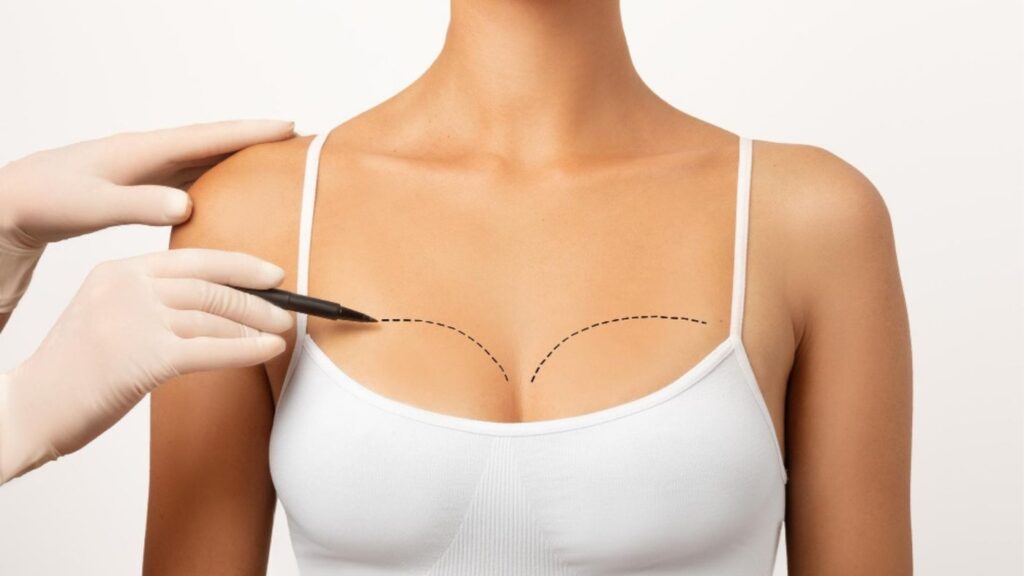
This assessment helps plan the surgical approach and determine realistic outcomes.
Body Proportion Evaluation
Breast size is evaluated in relation to overall body structure. The aim is to achieve a balanced appearance that supports comfort and mobility.
Discussion of Surgical Goals
Clear communication about expectations is an important part of the consultation.
Desired Breast Size and Shape
Patients can share their preferences regarding breast size reduction and overall appearance. While specific outcomes cannot be guaranteed, discussing goals helps align expectations with achievable results.
Functional Improvement Goals
Many individuals seek relief from pain and activity limitations. These functional goals are taken into account when planning the procedure.
Explanation of the Surgical Procedure
During the consultation, an overview of the breast reduction procedure is usually provided.
Surgical Techniques
Different surgical methods may be discussed based on individual anatomy and reduction needs. The explanation may include:
Incision patterns
Tissue removal approach
Nipple repositioning techniques
Understanding these aspects helps patients feel more informed about the procedure.
Anesthesia Information
Patients are informed about the type of anesthesia typically used during breast reduction surgery and what to expect before and after anesthesia administration.
Discussion of Risks and Safety Considerations
All surgical procedures carry some level of risk, and the consultation includes an open discussion about possible complications.
Common Risks
Potential risks may include:
Infection
Scarring
Temporary changes in sensation
Swelling and bruising
Delayed wound healing
Being aware of these possibilities allows patients to make informed decisions and prepare for recovery.
Individual Risk Assessment
Personal health factors are reviewed to determine if any additional precautions are needed.
Recovery Expectations and Aftercare Guidance
Understanding the recovery process is an important part of consultation preparation.
Immediate Recovery Period
Patients are informed about what to expect immediately after surgery, including:
Use of support garments
Temporary discomfort and swelling
Activity restrictions
Long-Term Healing Timeline
The consultation often includes a general recovery timeline, covering:
Return to daily activities
Follow-up appointments
Scar maturation
This information helps patients plan work schedules and personal responsibilities.
Lifestyle Preparation Before Surgery
Patients are usually advised on lifestyle adjustments to improve surgical outcomes.
Smoking and Alcohol Use
Smoking may affect healing and increase complication risks. Patients may be advised to stop smoking for a certain period before and after surgery.
Medication Adjustments
Some medications and supplements may need to be paused temporarily due to bleeding risks. Patients receive guidance on what to avoid.
Weight Stability
Maintaining a stable weight before surgery helps achieve consistent and long-lasting results.
Questions and Patient Concerns
The consultation provides an opportunity to clarify doubts and address personal concerns.
Common Topics Patients Ask About
Patients often ask questions related to:
Recovery duration
Physical activity restrictions
Scarring
Sensation changes
Long-term outcomes
Open communication helps patients feel more confident about the procedure.
Emotional Readiness
The consultation also helps assess emotional preparedness. Understanding expectations and potential changes supports mental readiness for surgery and recovery.
Imaging and Measurements
In some cases, measurements and photographs may be taken for medical records and surgical planning.
Purpose of Documentation
These records help track pre- and post-procedure changes and assist in planning the surgical approach.
Privacy and Consent
All documentation is handled with patient consent and confidentiality.
Determining Candidacy
After completing the evaluation, the healthcare professional will determine whether breast reduction surgery is appropriate.
Eligibility Factors
Factors considered include:
Overall health
Breast size and anatomy
Severity of physical symptoms
Lifestyle considerations
Recovery readiness
Not everyone is an immediate candidate, and alternative management options may be discussed when necessary.
Setting Realistic Expectations
One of the most important outcomes of a consultation is establishing realistic expectations.
Understanding Surgical Outcomes
Patients are guided on what the procedure can and cannot achieve. While breast reduction surgery improves comfort and proportion, it does not guarantee perfect symmetry or specific cosmetic ideals.
Long-Term Considerations
Patients are informed about how aging, weight changes, and hormonal factors may influence results over time.
Emotional and Psychological Support
A breast reduction consultation also addresses emotional well-being.
Confidence and Body Image
Patients may discuss concerns related to body image and self-confidence. Understanding the emotional motivations behind surgery helps ensure the decision is well-considered.
Support System Planning
Patients may be encouraged to arrange support from family or caregivers during the recovery period.
Preparing for the Next Steps
If surgery is planned, patients are given instructions for preoperative preparation.
Pre-Surgery Tests
Depending on individual needs, certain tests or imaging studies may be recommended.
Scheduling and Follow-Up Planning
Patients receive guidance on scheduling surgery and follow-up visits to ensure continuity of care.
Importance of a Thorough Consultation
A comprehensive consultation plays a critical role in patient safety and satisfaction. It ensures that all medical factors are considered and that patients are fully informed before proceeding.
Taking time to ask questions, understand the procedure, and review expectations helps reduce uncertainty and supports better outcomes.
Final Thoughts on Breast Reduction Consultation
A breast reduction consultation is an essential step in the treatment journey. It provides valuable insights into candidacy, procedure details, recovery expectations, and long-term outcomes. For individuals in Thrissur planning breast reduction surgery, approaching the consultation with preparation and clear communication helps create a smooth and informed experience that supports both physical comfort and overall well-being.
TABLE OF CONTENT
Breast reduction surgery is a procedure that removes excess breast tissue, fat, and skin to reduce breast size and improve comfort and proportion. Learn more
Good candidates are individuals with physical discomfort from large breasts, stable health, realistic expectations, and fully developed breasts. Learn more
You should ask about surgical methods, expected results, recovery timeline, risks, scarring, and long-term outcomes. Learn more
The cost is influenced by surgical complexity, hospital facilities, anesthesia, surgeon experience, and postoperative care requirements. Learn more
Breast reduction surgery is generally safe when performed by a qualified surgeon, though it carries standard surgical risks such as infection or bleeding. Learn more
Preparation involves preoperative tests, medication adjustments, lifestyle changes, and arranging postoperative support. Learn more
The procedure includes anesthesia, tissue removal, reshaping of the breast, repositioning of the nipple, and wound closure. Learn more
Long-term benefits may include reduced back and shoulder pain, improved posture, better physical activity comfort, and enhanced quality of life. Learn more
Choosing the right surgeon involves reviewing credentials, experience in breast procedures, patient communication, and safety standards. Learn more
Frequently Asked Questions
1. What is breast reduction surgery?
Breast reduction surgery is a procedure that removes excess breast tissue, fat, and skin to reduce breast size and improve comfort and body proportion.
2. Who is a suitable candidate for breast reduction surgery?
Individuals experiencing physical discomfort, posture issues, or activity limitations due to large breasts may be suitable candidates after medical evaluation.
3. How long does breast reduction surgery take?
The procedure usually takes a few hours, depending on the complexity of the case and the amount of tissue to be removed.
4. Is breast reduction surgery a permanent solution?
Results are generally long-lasting, but natural aging, weight changes, and hormonal factors can affect breast shape over time.
5. What type of anesthesia is used during breast reduction surgery?
Breast reduction surgery is typically performed under general anesthesia to ensure patient comfort during the procedure.
6. How long is the recovery period after breast reduction surgery?
Initial recovery may take one to two weeks, while complete healing and final results may take several weeks to months.
7. Will there be visible scars after breast reduction surgery?
Scars are expected but usually fade over time and are placed in areas that can be concealed under clothing.
8. Can breast reduction surgery improve posture and back pain?
Many patients experience improved posture and reduced neck, shoulder, and back discomfort after recovery.
9. Are there risks associated with breast reduction surgery?
Like any surgical procedure, there are potential risks such as infection, swelling, and temporary changes in sensation.
10. When can normal activities be resumed after breast reduction surgery?
Light daily activities can usually be resumed within a few days, while strenuous exercise should be avoided until healing is complete.

