
Treatment for Accident Related Injuries: Understanding Recovery, Reconstruction and Rehabilitation
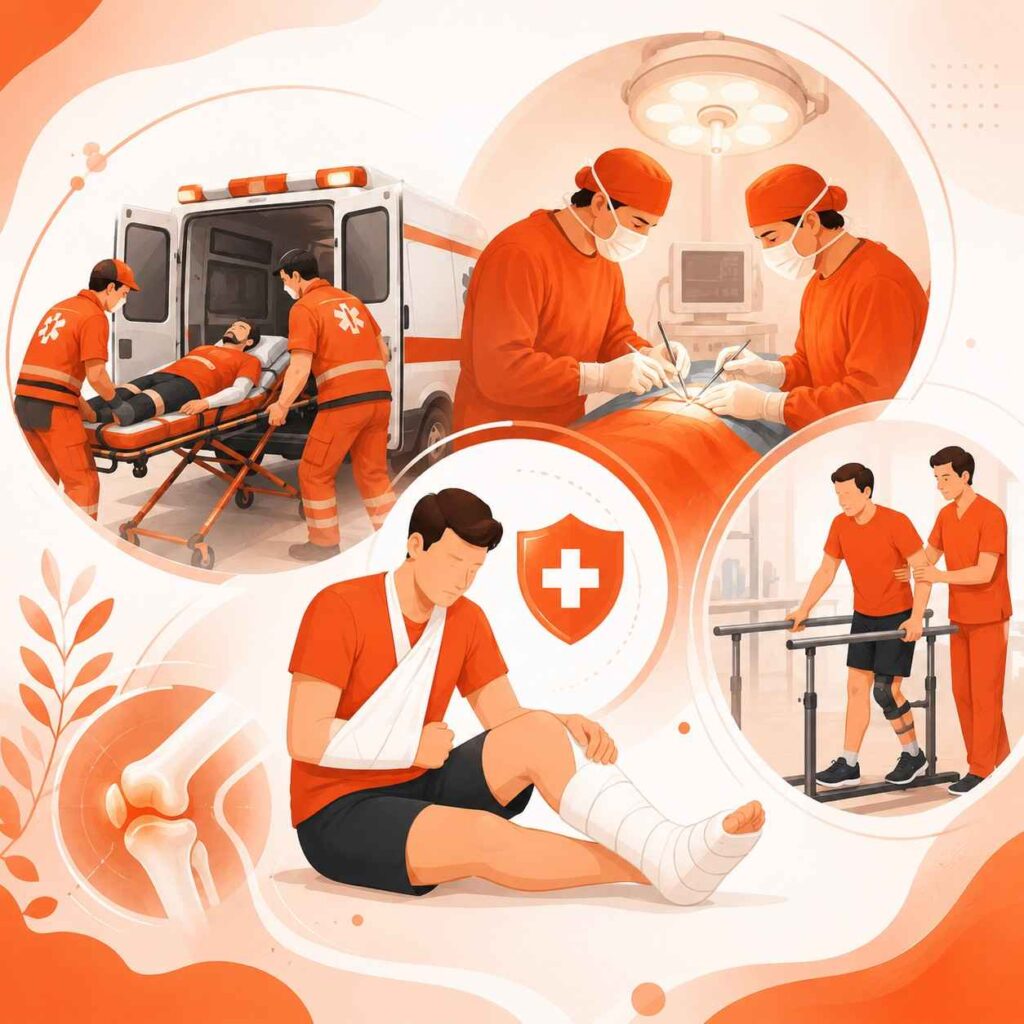
Treatment for Accident Related Injuries often involves more than immediate emergency care. Serious accidents can cause damage to bones, muscles, nerves, blood vessels, tendons, and soft tissues, requiring specialized treatment to restore function and support long-term recovery.
Understanding the available options for Treatment for Accident Related Injuries can help patients and families make informed decisions during the recovery process. Modern reconstructive surgery, microsurgery, trauma care, and rehabilitation techniques have significantly improved outcomes for individuals recovering from accident-related trauma.
What Are Accident Related Injuries?
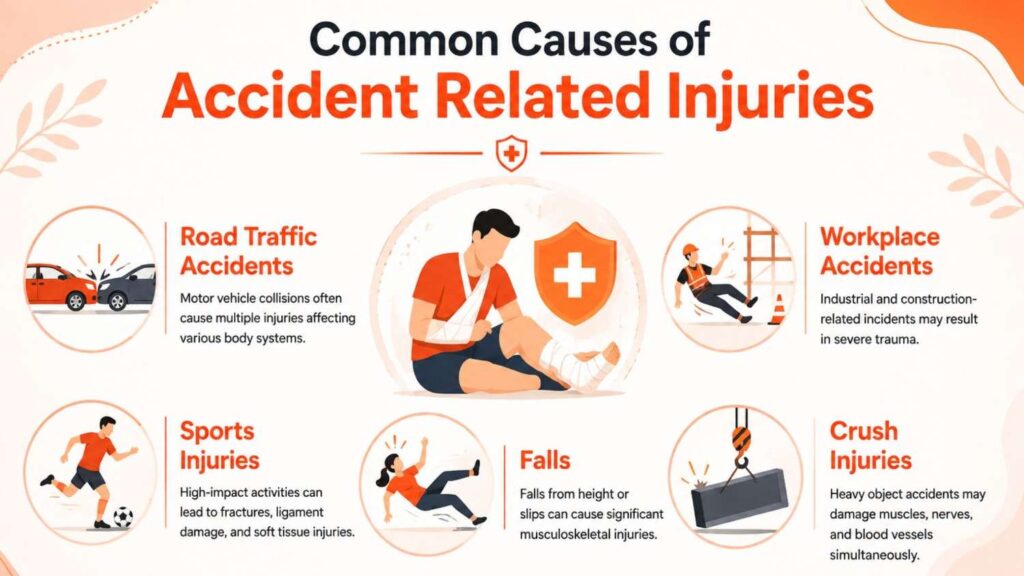
Accident related injuries refer to physical damage sustained during unexpected events that affect the body’s structure and function.
These injuries may involve:
- Bone fractures
- Soft tissue injuries
- Nerve damage
- Tendon injuries
- Blood vessel injuries
- Severe wounds
- Crush injuries
- Facial trauma
The severity of injury determines the type of Treatment for Accident Related Injuries required.
When Should You Seek Immediate Medical Attention?
Prompt medical evaluation is important after any significant accident.
Seek immediate care if you experience:
- Severe pain
- Excessive bleeding
- Loss of movement
- Numbness or weakness
- Bone deformity
- Deep wounds
- Loss of sensation
- Difficulty using an arm or leg
Early intervention often improves the success of Treatment for Accident Related Injuries.
Initial Assessment After an Accident
Before planning treatment, doctors perform a thorough evaluation of the injury.
Assessment may include:
Physical Examination
To evaluate movement, circulation, sensation, and tissue damage.
Imaging Studies
X-rays, CT scans, and MRI scans help identify fractures and internal injuries.
Vascular Assessment
Blood flow may be assessed when vascular injury is suspected.
Nerve Evaluation
Neurological examination helps determine the extent of nerve involvement.
Accurate diagnosis forms the foundation of effective Treatment for Accident Related Injuries.
Treatment Options for Accident Related Injuries
The appropriate treatment depends on the type and severity of the injury.
Emergency Trauma Care
The first priority is stabilizing the patient and addressing life-threatening conditions.
Fracture Management
Broken bones may require casting, fixation, or reconstructive procedures.
Soft Tissue Reconstruction
Damaged skin, muscles, and connective tissues may require surgical repair.
Nerve Repair Procedures
Nerve reconstruction may help restore movement and sensation.
Tendon and Muscle Repair
Repairing damaged tendons and muscles helps improve long-term function.
Microvascular Surgery
Advanced microsurgical techniques can restore blood circulation and preserve injured tissues.
These procedures are often important components of comprehensive Treatment for Accident Related Injuries. Patients with severe tissue damage, fractures, nerve injuries, or extensive wounds may benefit from Trauma Reconstruction Surgery to restore function and support recovery.
How Microsurgery Helps in Accident Recovery
Microsurgery plays a significant role in managing complex trauma cases.
Using specialized instruments and magnification, surgeons can reconnect tiny blood vessels and nerves that have been damaged during an accident.
Benefits may include:
- Improved blood supply
- Better wound healing
- Tissue preservation
- Enhanced functional recovery
- Limb salvage in selected cases
Microsurgery has become an important advancement in modern Treatment for Accident Related Injuries.
The Importance of Early Reconstruction
Timely reconstruction can improve recovery outcomes following severe trauma.
Early intervention may help:
- Preserve healthy tissue
- Improve circulation
- Reduce complications
- Restore function sooner
- Minimize long-term disability
For many patients, early reconstructive procedures form a crucial part of successful Treatment for Accident Related Injuries.
Why Rehabilitation Is Essential
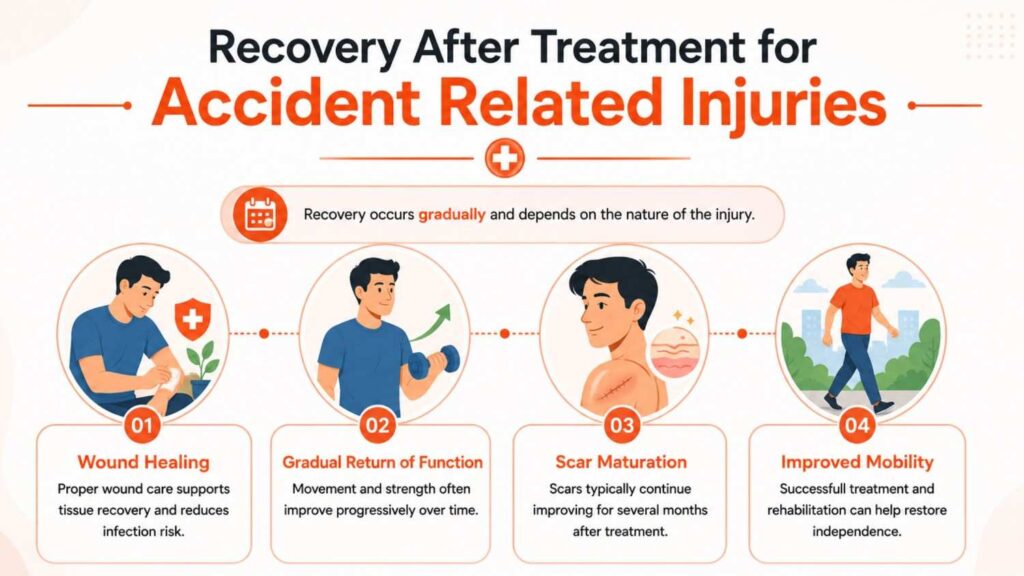
Rehabilitation is often just as important as the surgical treatment itself.
A structured rehabilitation program may include:
- Physiotherapy
- Strength training
- Mobility exercises
- Occupational therapy
- Scar management
- Functional rehabilitation
Consistent therapy can significantly improve outcomes after Treatment for Accident Related Injuries.
Factors That Affect Recovery
Several factors can influence healing and recovery after an accident.
These include:
- Severity of injury
- Patient age
- General health condition
- Smoking status
- Diabetes and vascular disease
- Timeliness of treatment
- Rehabilitation participation
Understanding these factors helps set realistic expectations during recovery.
Potential Complications Following Serious Injuries
Although modern treatments are highly effective, complications can occur.
Possible challenges include:
- Infection
- Delayed healing
- Scar formation
- Reduced movement
- Persistent weakness
- Nerve-related symptoms
- Joint stiffness
Regular follow-up care helps identify and manage complications early.
Lifestyle Tips to Support Recovery
Healthy habits can support better healing outcomes.
Patients are often encouraged to:
Follow Medical Advice
Attend scheduled appointments and follow treatment instructions carefully.
Participate in Rehabilitation
Remain consistent with prescribed therapy programs.
Maintain Good Nutrition
Proper nutrition supports tissue repair and recovery.
Avoid Smoking
Smoking can negatively affect circulation and wound healing.
Protect Injured Areas
Avoid activities that may interfere with healing.
These measures can contribute positively to recovery after Treatment for Accident Related Injuries.
When Reconstruction May Be Needed After an Accident
Not all accident injuries require reconstructive surgery. However, reconstruction may be recommended when there is:
- Significant tissue loss
- Complex fractures
- Nerve damage
- Tendon injuries
- Severe facial trauma
- Extensive soft tissue defects
Reconstructive procedures aim to restore both function and appearance while supporting long-term recovery.
Final Thoughts
Treatment for Accident Related Injuries often requires a combination of emergency care, surgical management, reconstruction, and rehabilitation. The goal is not only to treat the injury itself but also to restore movement, function, independence, and quality of life.
With advances in trauma surgery, reconstructive procedures, microsurgery, and rehabilitation, many patients can achieve meaningful recovery after serious accidents. Early evaluation, appropriate treatment planning, and consistent follow-up care remain essential for achieving the best possible outcomes.
For additional information about reconstructive procedures after trauma, visit: American Society of Plastic Surgeons – Reconstructive Procedures Guide.
Frequently Asked Questions
What is the best treatment for accident related injuries?
The best treatment depends on the type and severity of the injury and may include emergency care, fracture management, reconstruction, or rehabilitation.
Can accident related injuries require reconstructive surgery?
Yes. Severe injuries involving tissue loss, nerve damage, fractures, or blood vessel injuries may require reconstructive procedures.
What role does microsurgery play in accident recovery?
Microsurgery helps reconnect small blood vessels and nerves, improving circulation, healing, and functional recovery.
How soon should treatment begin after an accident?
Prompt medical evaluation is important because early treatment often improves recovery outcomes.
Can nerve injuries recover after treatment?
Many nerve injuries can improve with appropriate treatment, although recovery timelines vary depending on injury severity.
Why is rehabilitation important after an accident?
Rehabilitation helps restore strength, mobility, coordination, and independence during recovery.
How long does recovery take after serious injuries?
Recovery varies significantly depending on the extent of injury, treatment provided, and rehabilitation progress.
What are the signs that an injury needs immediate medical attention?
Severe pain, excessive bleeding, numbness, loss of movement, deformity, or deep wounds require urgent evaluation.
Can accident related injuries affect long-term quality of life?
Without proper treatment, some injuries can lead to functional limitations, making timely medical care important.
What factors influence recovery after an accident?
Recovery depends on injury severity, overall health, treatment timing, rehabilitation participation, and adherence to follow-up care.

Dr Vinu Roy
Plastic and Cosmetic SurgeonDr Vinu Roy is a plastic and cosmetic surgeon with expertise in cosmetic surgery, reconstructive surgery, microvascular surgery, hand surgery, trauma reconstruction, and brachial plexus procedures.
He focuses on enhancing both form and function with personalized surgical care, helping patients achieve their aesthetic and reconstructive goals with confidence.
Sushrutha Institute of Plastic, Reconstructive, and Aesthetic Surgery, Elite Mission Hospital, Koorkenchery, Thrissur

