
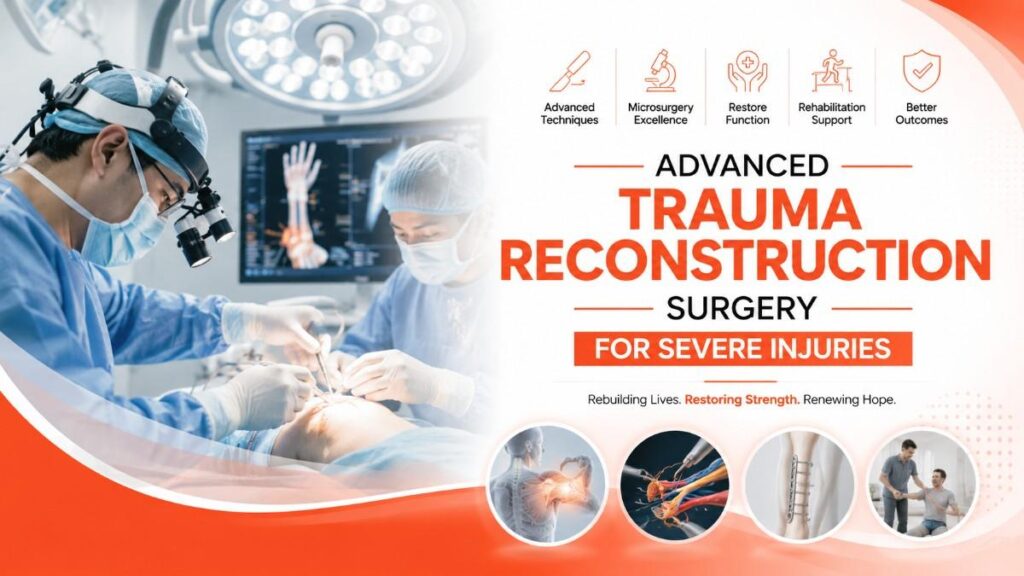
Advanced trauma reconstruction surgery for severe injuries plays a critical role in restoring function, appearance, and quality of life after major accidents and traumatic events. Severe injuries can damage bones, muscles, nerves, blood vessels, skin, and other soft tissues, often requiring specialized reconstructive procedures to achieve optimal recovery.
Modern reconstructive techniques have significantly improved outcomes for patients with complex injuries. Through a combination of microsurgery, tissue transfer, nerve repair, and advanced wound management, surgeons can rebuild damaged structures and help patients regain mobility and independence.
If you would like to understand the broader role of reconstructive procedures, explore our guide on trauma reconstruction surgery to learn how these advanced treatments support recovery after serious injuries.
What Is Advanced Trauma Reconstruction Surgery?
Advanced trauma reconstruction surgery refers to specialized surgical procedures designed to repair and restore tissues damaged by severe injuries. The primary goal is to rebuild affected structures while preserving function and appearance.
These procedures may involve:
- Soft tissue reconstruction
- Microsurgical tissue transfer
- Nerve repair
- Tendon reconstruction
- Bone coverage procedures
- Scar management
Advanced trauma reconstruction surgery for severe injuries often requires a personalized treatment approach based on the location and extent of damage.
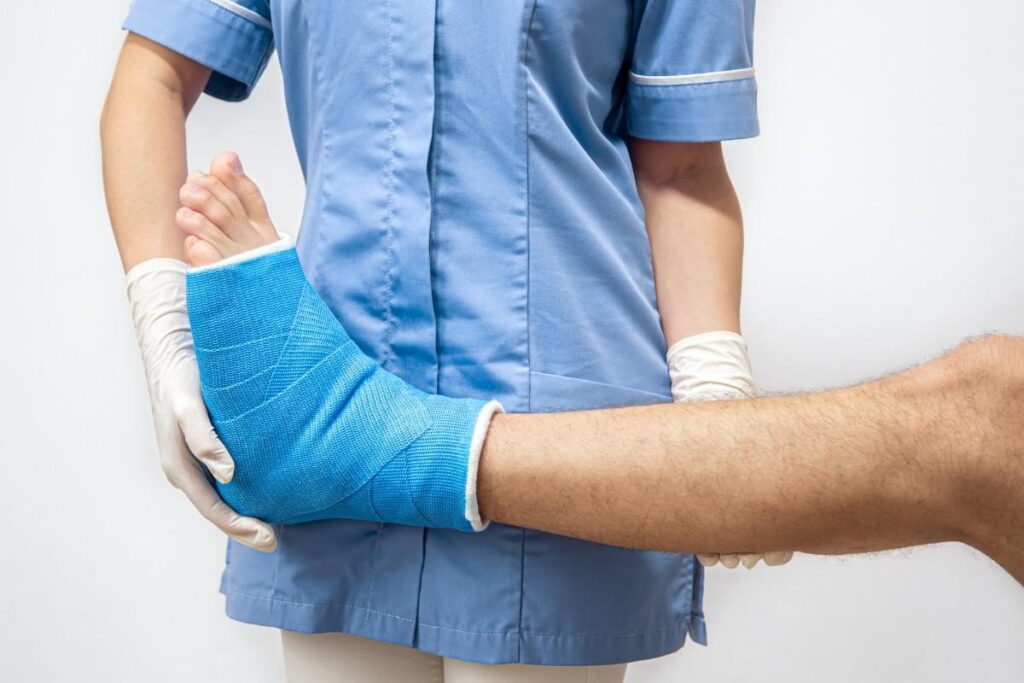
Early evaluation helps determine the most appropriate reconstructive strategy and can improve long-term outcomes.
When Is Trauma Reconstruction Needed?
Trauma reconstruction may be necessary following:
- Road traffic accidents
- Industrial injuries
- Crush injuries
- Sports trauma
- Deep lacerations
- Burn injuries
- Facial trauma
- Limb-threatening injuries
Goals of Advanced Trauma Reconstruction Surgery
The objectives of advanced trauma reconstruction surgery for severe injuries include:
- Restoring blood supply
- Preserving limbs and tissues
- Improving movement and function
- Protecting nerves and tendons
- Enhancing appearance
- Supporting psychological recovery
Successful reconstruction focuses on both functional and aesthetic outcomes.
Importance of Early Surgical Intervention
Prompt treatment is often essential after severe trauma.
Benefits of early intervention include:
- Reduced infection risk
- Improved tissue preservation
- Better wound healing
- Enhanced functional recovery
- Reduced need for additional procedures
Timely reconstruction can significantly improve the chances of successful healing.
Soft Tissue Reconstruction Techniques
Severe injuries frequently result in significant soft tissue loss.
Reconstructive options include:
- Local tissue flaps
- Regional flaps
- Free flap reconstruction
- Skin grafting procedures
These techniques provide coverage for exposed bones, tendons, and vital structures while promoting healing.
Role of Microsurgery in Trauma Reconstruction
Microsurgery has transformed the management of complex trauma injuries.
Microsurgical procedures allow surgeons to:
- Reconnect blood vessels
- Restore circulation
- Transfer healthy tissue
- Repair nerves
- Improve tissue survival
Advanced trauma reconstruction surgery for severe injuries often relies on microsurgical expertise to achieve optimal results.
Nerve Repair and Functional Restoration
Nerve injuries can affect movement, sensation, and daily activities.
Treatment options may include:
- Direct nerve repair
- Nerve grafting
- Nerve transfers
- Functional reconstruction procedures
Early treatment often improves the potential for nerve recovery.
Limb Salvage Procedures
In certain cases, reconstruction may help avoid amputation.
Limb salvage surgery aims to:
- Preserve the affected limb
- Restore circulation
- Reconstruct damaged tissues
- Improve mobility
- Enhance long-term function
Advanced trauma reconstruction surgery for severe injuries is frequently used in complex limb salvage cases.
Facial Trauma Reconstruction
Facial injuries require careful reconstruction due to both functional and cosmetic considerations.
Treatment may involve:
- Soft tissue repair
- Facial nerve reconstruction
- Scar revision
- Bone stabilization
- Complex facial reconstruction
The goal is to restore appearance while preserving essential functions such as speaking, eating, and facial expression.
Rehabilitation After Reconstruction
Rehabilitation is an important component of recovery.
Patients may benefit from:
- Physiotherapy
- Occupational therapy
- Scar management
- Strengthening exercises
- Mobility training
Consistent rehabilitation supports long-term functional improvement.
Factors That Influence Recovery
Recovery outcomes depend on several factors:
- Severity of injury
- Patient age
- Overall health
- Blood circulation
- Smoking status
- Rehabilitation participation
Following medical recommendations helps optimize recovery.
Potential Benefits of Advanced Trauma Reconstruction Surgery
Patients may experience:
- Improved mobility
- Better limb function
- Enhanced wound healing
- Improved appearance
- Reduced disability
- Greater independence
These benefits contribute significantly to overall quality of life.
Advances in Modern Trauma Reconstruction
Recent advancements include:
- High-resolution surgical microscopes
- Improved microsurgical instruments
- Advanced wound care technologies
- Enhanced imaging systems
- Modern rehabilitation protocols
These innovations continue to improve outcomes and recovery rates.
Conclusion
Advanced trauma reconstruction surgery for severe injuries has revolutionized the treatment of complex traumatic injuries. Through modern reconstructive techniques, microsurgery, nerve repair, and comprehensive rehabilitation, patients can achieve significant improvements in function, appearance, and overall quality of life.
Early intervention, personalized treatment planning, and dedicated rehabilitation remain essential for successful outcomes. Advances in reconstructive surgery continue to expand treatment possibilities and improve recovery for individuals facing severe injuries.
For additional information about reconstructive surgery and trauma recovery, visit the American Society of Plastic Surgeons Reconstructive Surgery Resources.

Dr Vinu Roy
Plastic and Cosmetic SurgeonDr Vinu Roy is a plastic and cosmetic surgeon with expertise in cosmetic surgery, reconstructive surgery, microvascular surgery, hand surgery, trauma reconstruction, and brachial plexus procedures.
He focuses on enhancing both form and function with personalized surgical care, helping patients achieve their aesthetic and reconstructive goals with confidence.
Sushrutha Institute of Plastic, Reconstructive, and Aesthetic Surgery, Elite Mission Hospital, Koorkenchery, Thrissur

