
How Plastic Surgeons Help After Severe Accidents: Restoring Function and Appearance
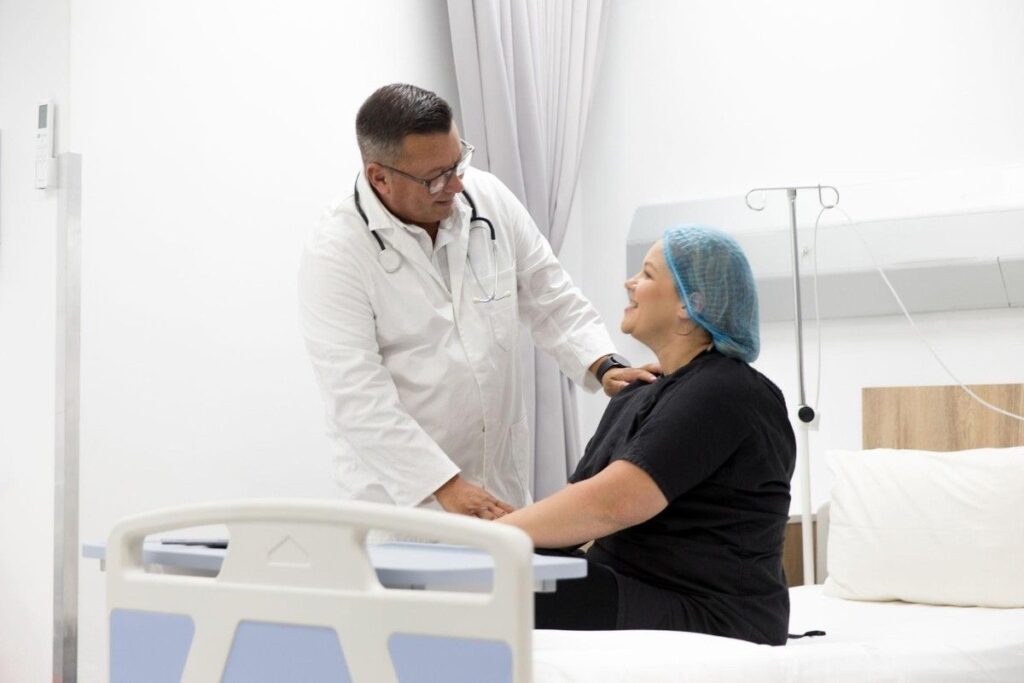
Severe accidents can cause complex injuries involving the skin, muscles, bones, nerves, blood vessels, and soft tissues. Recovery often requires specialized care that goes beyond emergency treatment. Understanding how plastic surgeons help after severe accidents allows patients and families to appreciate the important role reconstructive surgery plays in restoring both function and appearance. For a broader understanding of treatment options available for complex injuries, explore our Trauma Reconstruction page. Through advanced surgical techniques and personalized treatment plans, reconstructive surgeons help patients regain mobility, improve healing, and achieve better long-term outcomes after traumatic injuries.
Understanding the Role of Plastic Surgeons After Severe Accidents
Plastic surgeons are uniquely trained to manage injuries affecting both appearance and function. Following a serious accident, reconstruction may be required to repair damaged tissues, restore movement, preserve sensation, and improve overall quality of life.
Their expertise extends beyond cosmetic concerns and focuses on helping patients recover from complex traumatic injuries.
Common areas of treatment include:
- Soft tissue reconstruction
- Facial trauma repair
- Hand injury reconstruction
- Nerve repair
- Tendon repair
- Scar revision
- Microvascular surgery
- Limb salvage procedures
Initial Evaluation Following Trauma
After emergency stabilization, reconstructive surgeons evaluate the extent of injury and determine the best treatment approach.
The assessment may include:
- Skin and soft tissue damage
- Nerve injuries
- Blood vessel injuries
- Tendon disruption
- Functional limitations
- Tissue loss
Early evaluation helps guide treatment planning and supports better outcomes.
Soft Tissue Reconstruction
Soft tissue injuries are among the most common consequences of severe accidents.
These injuries may involve:
- Extensive skin loss
- Deep wounds
- Muscle damage
- Tissue defects
- Exposed structures
Reconstructive procedures help cover wounds, restore tissue integrity, and promote healing while preserving function.
Facial Injury Reconstruction
Facial injuries can significantly affect appearance and daily activities.
Plastic surgeons often treat:
- Facial lacerations
- Soft tissue injuries
- Facial asymmetry
- Eyelid injuries
- Nasal injuries
- Complex facial trauma
The goal is to restore natural facial contours while maintaining important functions such as speaking, eating, and facial expression.
Hand and Upper Limb Reconstruction
The hands are particularly vulnerable during accidents due to their frequent involvement in protective reflexes.
Common injuries include:
- Tendon lacerations
- Nerve damage
- Finger injuries
- Crush injuries
- Soft tissue defects
Reconstructive procedures aim to preserve movement, strength, sensation, and dexterity.
Nerve Repair and Functional Recovery
Nerve injuries can affect both movement and sensation.
Plastic surgeons may perform:
- Direct nerve repair
- Nerve grafting
- Nerve reconstruction
- Functional restoration procedures
Timely treatment can improve the chances of nerve recovery and long-term function.
Tendon Reconstruction
Tendons play an essential role in movement and coordination.
Severe accidents may cause:
- Tendon tears
- Tendon lacerations
- Loss of mobility
- Reduced strength
Reconstructive surgery helps restore tendon continuity and supports rehabilitation efforts.
Microvascular Surgery in Trauma Reconstruction
One of the most advanced ways how plastic surgeons help after severe accidents is through microvascular surgery.
Microvascular techniques involve:
- Repairing tiny blood vessels
- Restoring circulation
- Reattaching tissues
- Supporting tissue survival
These highly specialized procedures can improve outcomes in complex injuries and help preserve affected limbs.
Limb Salvage Procedures
Some traumatic injuries threaten the viability of a limb due to severe tissue damage.
Plastic surgeons often collaborate with trauma and orthopedic teams to perform:
- Soft tissue reconstruction
- Vascular repair
- Microsurgical tissue transfer
- Complex wound coverage
These procedures may help avoid amputation and improve long-term function.
Managing Complex Wounds
Large wounds require careful management to promote healing and reduce complications.
Treatment strategies may include:
- Surgical wound closure
- Tissue coverage procedures
- Infection prevention
- Advanced wound care techniques
Proper wound management is essential for successful recovery.
Skin Grafting and Tissue Transfer
When significant tissue loss occurs, reconstruction may require replacing damaged tissue.
Techniques include:
- Skin grafting
- Local flap reconstruction
- Regional flaps
- Free tissue transfer
These procedures help restore both form and function following trauma.
Scar Management After Severe Accidents
Scars are a common result of traumatic injuries.
Some scars may cause:
- Cosmetic concerns
- Restricted movement
- Skin tightness
- Functional limitations
Plastic surgeons provide scar management strategies that may include scar revision procedures and reconstructive techniques. Patients interested in improving traumatic scars can also learn more through our Scar Correction After Traumatic Injuries resource.
Rehabilitation and Recovery Support
Successful recovery often requires more than surgery alone.
Rehabilitation may involve:
- Physiotherapy
- Occupational therapy
- Mobility training
- Strength-building exercises
- Functional rehabilitation
A coordinated approach helps maximize recovery and improve independence.
Psychological Benefits of Reconstruction
Severe accidents can affect emotional well-being as much as physical health.
Reconstructive surgery may help patients:
- Improve self-confidence
- Reduce anxiety related to visible injuries
- Return to social activities
- Regain independence
Emotional recovery is an important aspect of the overall healing process.
Advances in Trauma Reconstruction
Modern reconstructive surgery continues to evolve through technological advancements and improved surgical techniques.
Recent developments include:
- Advanced microsurgical procedures
- Improved imaging systems
- Better wound monitoring
- Enhanced rehabilitation protocols
- Personalized treatment planning
These innovations contribute to safer procedures and better patient outcomes.
Importance of Early Reconstructive Care
Early intervention often improves the success of trauma reconstruction.
Benefits may include:
- Better wound healing
- Reduced complications
- Improved tissue preservation
- Enhanced functional outcomes
- More effective scar management
Prompt evaluation allows reconstructive surgeons to address injuries before long-term complications develop.
Long-Term Recovery and Outcomes
Recovery after severe accidents often occurs gradually over several months.
Many patients experience:
- Improved mobility
- Better strength
- Enhanced appearance
- Increased independence
- Improved quality of life
Ongoing follow-up and rehabilitation help support long-term success.
Conclusion
How plastic surgeons help after severe accidents extends far beyond wound closure. Through advanced reconstructive techniques, soft tissue repair, nerve reconstruction, scar management, microsurgery, and rehabilitation support, plastic surgeons play a critical role in helping patients recover from complex traumatic injuries. Early evaluation and individualized treatment planning can improve both functional and aesthetic outcomes, allowing patients to regain confidence and return to daily activities. For additional information about reconstructive surgery and trauma recovery, visit the American Society of Plastic Surgeons Reconstructive Procedures Guide.
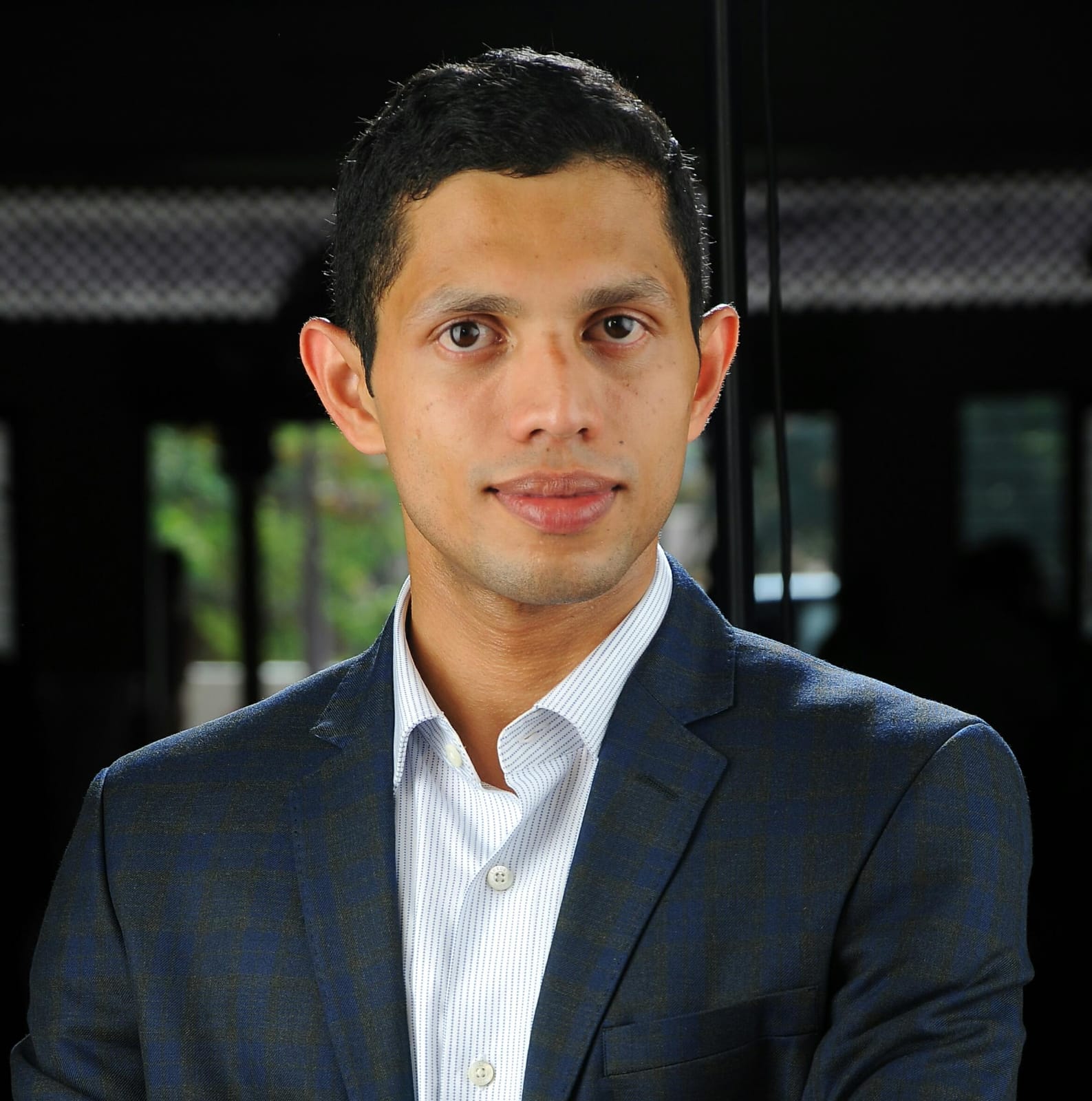
Dr Vinu Roy
Plastic and Cosmetic SurgeonDr Vinu Roy is a plastic and cosmetic surgeon with expertise in cosmetic surgery, reconstructive surgery, microvascular surgery, hand surgery, trauma reconstruction, and brachial plexus procedures.
He focuses on enhancing both form and function with personalized surgical care, helping patients achieve their aesthetic and reconstructive goals with confidence.
Sushrutha Institute of Plastic, Reconstructive, and Aesthetic Surgery, Elite Mission Hospital, Koorkenchery, Thrissur

