
Trauma Reconstruction Surgery in Thrissur
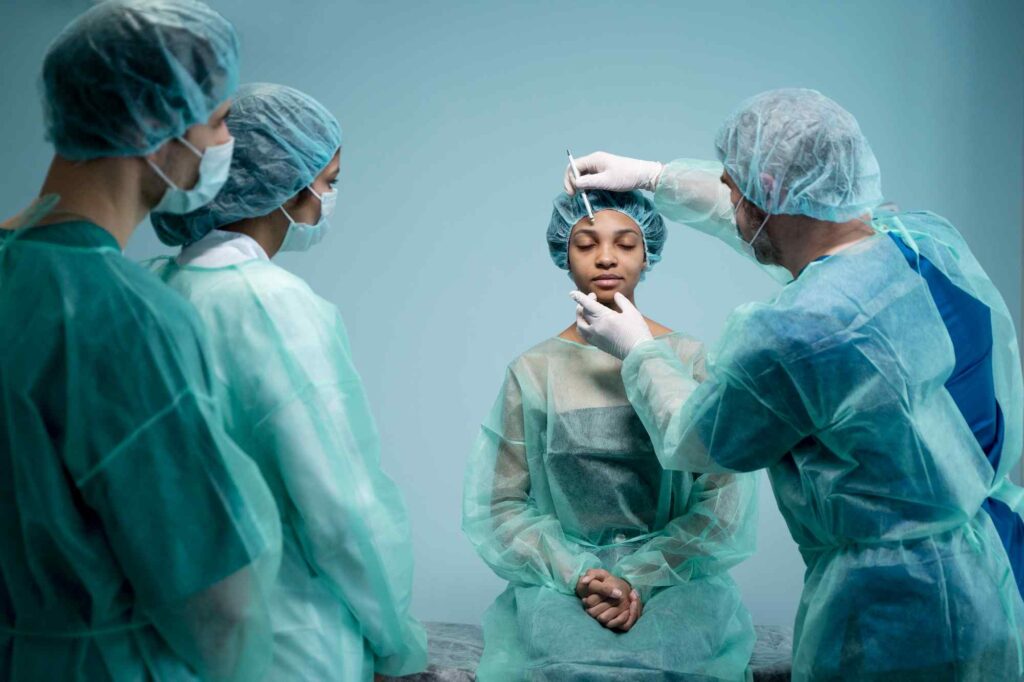
Trauma Reconstruction Surgery in Thrissur is an advanced surgical approach used to restore function, appearance, and structural integrity after severe injuries or accidents. Trauma-related injuries can affect bones, nerves, muscles, blood vessels, and soft tissues, often requiring specialized reconstructive procedures to improve healing and recovery.
Understanding Trauma Reconstruction Surgery in Thrissur helps patients and families learn how modern reconstructive techniques support tissue repair, mobility restoration, and long-term rehabilitation. With advancements in microsurgery, tissue transfer procedures, and rehabilitation methods, many individuals can regain function and improve quality of life after traumatic injuries.
What is Trauma Reconstruction Surgery?
Trauma reconstruction surgery involves surgical procedures designed to repair and rebuild damaged tissues following severe physical injury.
These procedures may include:
- Soft tissue reconstruction
- Bone stabilization
- Nerve repair
- Microvascular reconstruction
- Skin grafting
- Tendon and muscle repair
The primary goal is to restore both functionality and appearance while supporting proper healing.
Common Causes of Traumatic Injuries
Trauma Reconstruction Surgery in Thrissur is commonly required after injuries caused by:
- Road traffic accidents
- Industrial injuries
- Sports injuries
- Crush injuries
- Burns and severe wounds
- Falls and fractures
Each injury requires individualized treatment planning depending on severity and tissue damage.
Types of Trauma Reconstruction Procedures
Soft Tissue Reconstruction
Used to repair damaged skin, muscle, and connective tissues.
Bone Reconstruction
Helps restore structural support after fractures or bone loss.
Nerve Reconstruction
Performed to improve sensation and movement after nerve injuries.
Microvascular Surgery
Reconnects blood vessels and tissues under microscopic precision.
Scar and Wound Reconstruction
Improves healing and reduces tissue deformity after trauma.
These advanced procedures contribute significantly to successful Trauma Reconstruction Surgery in Thrissur outcomes.
Importance of Early Surgical Intervention
Timely treatment plays a critical role in recovery.
Early intervention may help:
- Preserve tissue viability
- Reduce infection risk
- Improve circulation
- Prevent permanent disability
- Enhance long-term recovery
Prompt surgical care often improves healing outcomes significantly.
Role of Microvascular Surgery in Trauma Reconstruction
Microvascular surgery is often an essential part of Trauma Reconstruction Surgery in Thrissur.
It helps:
- Restore blood supply
- Transfer healthy tissues
- Improve wound healing
- Reconstruct complex injuries
- Preserve limb function
Advanced microsurgical techniques improve both functional and structural recovery.
Initial Symptoms After Trauma
Patients requiring reconstruction may experience:
- Severe pain
- Tissue loss
- Swelling and bleeding
- Limited movement
- Numbness or weakness
- Bone exposure
Proper evaluation helps determine the most suitable reconstructive approach.
Diagnostic Evaluation Before Surgery
Before surgery, doctors perform detailed assessments.
Evaluation may include:
- Physical examination
- CT scans and MRI
- Blood vessel imaging
- Nerve function assessment
- Bone and tissue analysis
Comprehensive diagnosis supports accurate surgical planning.
Goals of Trauma Reconstruction Surgery
Trauma Reconstruction Surgery in Thrissur aims to:
- Restore physical function
- Improve mobility
- Repair damaged tissues
- Improve appearance
- Reduce pain and disability
- Support long-term recovery
Each treatment plan is tailored to individual patient needs.
Immediate Recovery After Surgery
The early recovery phase focuses on healing and monitoring.
Initial recovery may involve:
- Pain management
- Blood circulation monitoring
- Wound care
- Infection prevention
- Swelling reduction
Careful observation helps improve postoperative safety.
Long-Term Functional Recovery
Many patients experience gradual improvement after surgery.
Long-term benefits may include:
- Better movement and coordination
- Improved strength
- Enhanced sensation
- Increased independence
- Better quality of life
Recovery timelines vary depending on injury severity and rehabilitation.
Importance of Rehabilitation
Physiotherapy and rehabilitation are essential after Trauma Reconstruction Surgery in Thrissur.
Rehabilitation may include:
- Mobility exercises
- Strength training
- Functional rehabilitation
- Scar management
- Occupational therapy
Consistent therapy supports long-term functional recovery.
Psychological and Emotional Recovery
Traumatic injuries often affect emotional well-being.
Successful reconstruction may help:
- Improve confidence
- Reduce emotional stress
- Restore social participation
- Improve daily functioning
Comprehensive care includes both physical and emotional recovery support.
Factors Affecting Surgical Outcomes
Several factors influence recovery success.
These include:
- Severity of trauma
- Patient health condition
- Smoking habits
- Diabetes or vascular disease
- Rehabilitation participation
- Postoperative care compliance
Healthy habits and follow-up care improve outcomes significantly.
Potential Risks and Complications
Although reconstructive surgery is highly advanced, some risks may occur.
Possible complications include:
- Infection
- Delayed healing
- Tissue loss
- Scar sensitivity
- Swelling
- Limited movement during healing
Regular monitoring helps reduce complications.
Lifestyle Tips After Reconstruction
Healthy lifestyle habits support recovery.
Recommendations include:
- Balanced nutrition
- Avoid smoking
- Follow rehabilitation plans
- Protect reconstructed areas
- Attend regular follow-up visits
Long-term care improves healing and functional outcomes.
Advancements in Trauma Reconstruction Surgery
Modern medical advancements continue to improve Trauma Reconstruction Surgery in Thrissur.
Innovations include:
- High-definition surgical microscopes
- Advanced imaging systems
- Improved tissue transfer techniques
- Better postoperative monitoring
- Enhanced rehabilitation methods
These developments contribute to better patient outcomes and faster recovery.
Final Overview
Trauma Reconstruction Surgery in Thrissur plays a vital role in restoring function, repairing damaged tissues, and improving long-term recovery after severe injuries. Modern reconstructive techniques, including microvascular surgery and tissue reconstruction, help improve mobility, circulation, and overall quality of life for many patients.
Understanding Trauma Reconstruction Surgery in Thrissur allows individuals to make informed healthcare decisions and participate actively in rehabilitation and recovery. With expert surgical planning, advanced technology, and consistent postoperative care, many patients achieve meaningful functional and structural improvement after trauma reconstruction procedures.
For more information about reconstructive trauma procedures and microsurgery, visit the
American Society of Plastic Surgeons – Reconstructive Procedures Guide
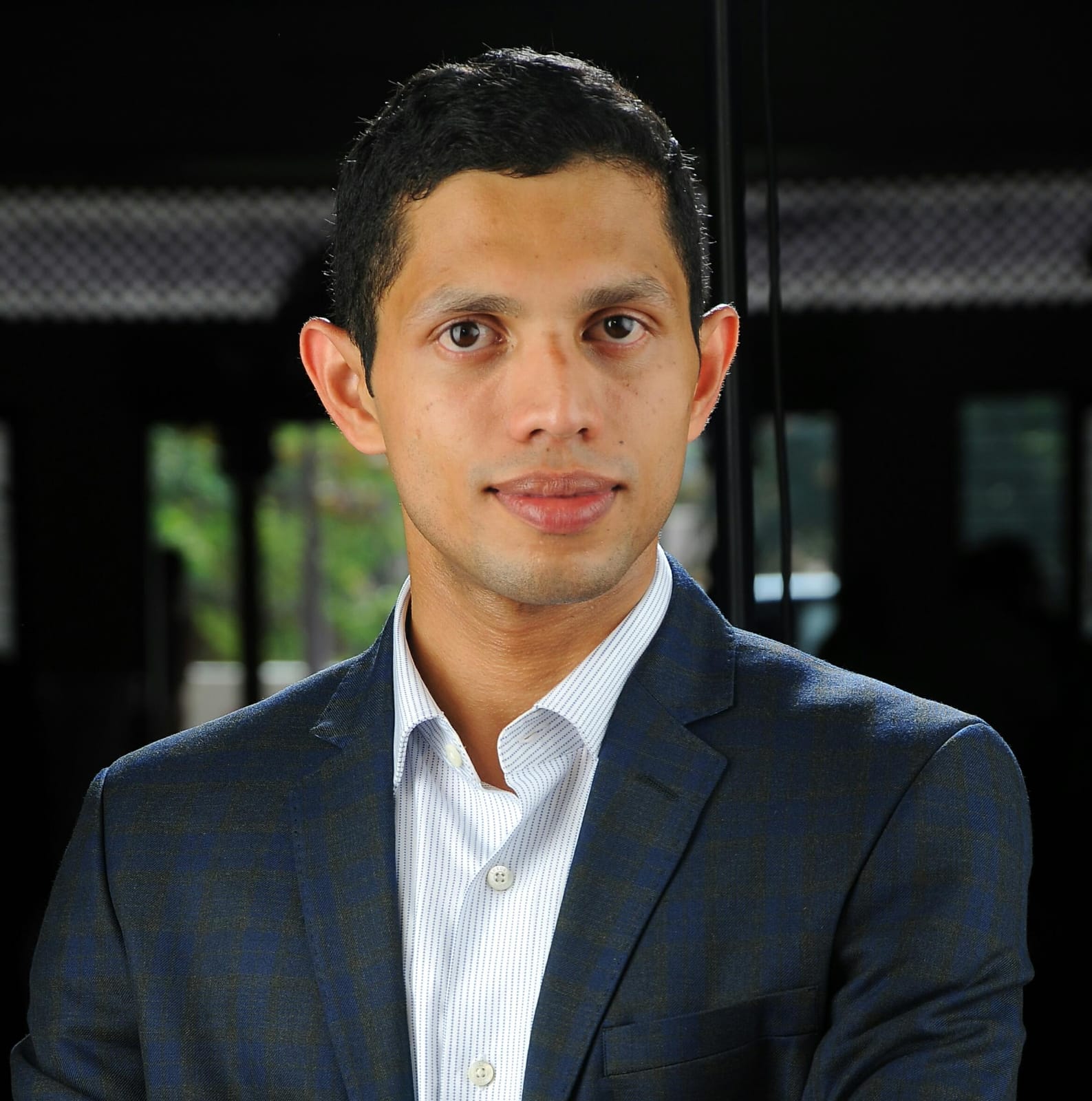
Dr Vinu Roy
Plastic and Cosmetic SurgeonDr Vinu Roy is a plastic and cosmetic surgeon with expertise in cosmetic surgery, reconstructive surgery, microvascular surgery, hand surgery, trauma reconstruction, and brachial plexus procedures.
He focuses on enhancing both form and function with personalized surgical care, helping patients achieve their aesthetic and reconstructive goals with confidence.
Sushrutha Institute of Plastic, Reconstructive, and Aesthetic Surgery, Elite Mission Hospital, Koorkenchery, Thrissur

