
Hand Injury Repair Surgery
Hand injury repair surgery is an important treatment option for individuals in Thrissur who experience trauma affecting the hand, wrist, or forearm. These injuries can involve damage to tendons, nerves, bones, or blood vessels and may significantly impact daily activities such as gripping, lifting, or performing fine movements.
Hand injury repair surgery restores function to damaged structures following trauma, deep cuts, crush injuries, or fractures. Using advanced techniques, this procedure focuses on rebuilding strength, restoring mobility, and improving overall hand function.
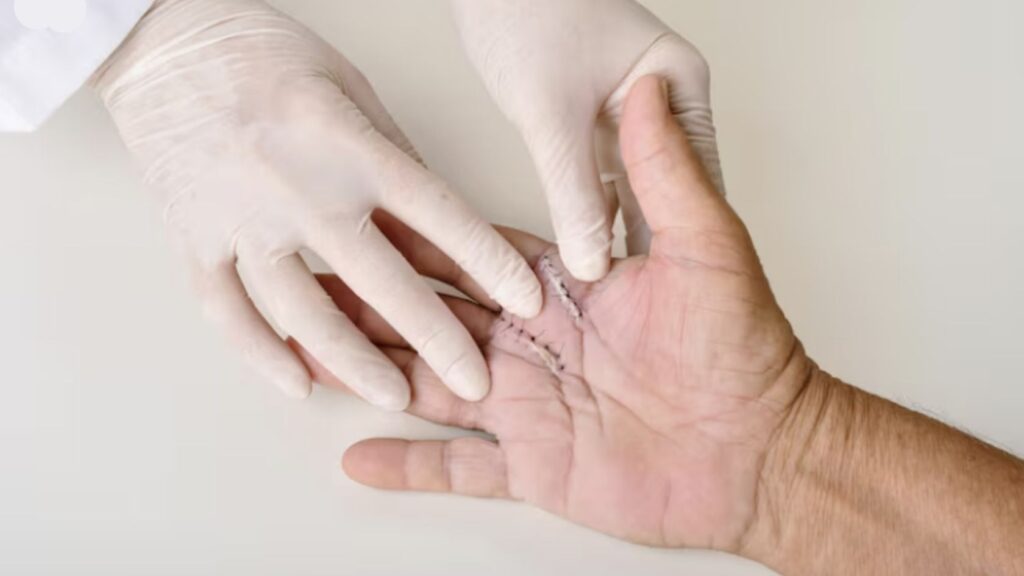
What Is Hand Injury Repair Surgery?
Hand injury repair surgery is performed to treat structural damage caused by:
Trauma
Lacerations
Crush injuries
Fractures
The goal is to repair or reconstruct injured tissues so that the hand can regain its natural movement and coordination.
These procedures may involve delicate microsurgery for nerves, stabilization of fractures, or replacement of damaged skin and soft tissue.
Structures Repaired During Surgery
Depending on the type of injury, the surgery may focus on repairing:
Tendons
Nerves
Bones
Blood vessels
Skin and soft tissues
Restoring these components helps regain:
Movement
Sensation
Stability
Circulation
Common Types of Hand Injury Repair Procedures
Several surgical techniques may be used based on the extent of damage.
Tendon Repair
Tendons connect muscles to bones and allow the hand to move.
When tendons are torn or severed, surgery may be required to:
Reattach them
Restore movement
Improve flexibility
Both flexor and extensor tendons may need repair depending on the injury.
Nerve Repair
Nerve injuries can result in:
Loss of sensation
Weakness
Reduced coordination
Microsurgery is often used to repair damaged nerves and support recovery of:
Feeling
Muscle function
Fracture Fixation
Broken bones in the hand may require stabilization.
This is done by:
Realigning the bone
Using wires, plates, or screws
Fixation helps restore structural strength and supports proper healing.
Skin Grafts and Flaps
Severe injuries may lead to loss of skin or soft tissue.
Reconstruction may involve:
Skin grafts
Tissue flaps
These techniques use tissue from another part of the body to cover wounds and protect deeper structures.
Replantation
In cases where fingers or parts of the hand are severed, replantation may be performed.
This involves:
Reattaching bones
Repairing tendons
Reconnecting blood vessels and nerves
Timely surgical intervention plays a crucial role in successful reattachment.
Fasciotomy
Severe swelling after injury can increase pressure inside the hand.
Fasciotomy is performed to:
Relieve pressure
Improve circulation
Prevent tissue damage
Preparation for Surgery
Before surgery, proper evaluation is necessary to understand the extent of injury.
This may include:
X-rays
MRI scans
CT imaging
Medical assessment
These steps help guide the surgical approach.
Anesthesia
Hand injury repair surgery is typically performed using:
Local anesthesia
Regional anesthesia
The choice depends on the complexity of the injury.
Post-Surgical Recovery
Recovery involves both healing and rehabilitation.
Protective Support
A splint or cast may be used for:
3 to 6 weeks
Supporting the repaired structures
Rehabilitation
Hand therapy is essential to:
Prevent stiffness
Restore strength
Improve flexibility
Recovery Timeline
Light activities may resume in about 6 to 8 weeks
Full strength recovery may take up to 12 weeks or more
Importance of Rehabilitation
Structured therapy helps:
Restore movement
Improve coordination
Support functional recovery
Without rehabilitation, stiffness or weakness may develop.
Potential Risks
Although uncommon, some risks may include:
Infection
Bleeding
Stiffness
Tendon re-injury
Injury to surrounding tissues
Careful surgical planning and follow-up care help minimize these risks.
Long-Term Benefits
Hand injury repair surgery helps achieve:
Improved mobility
Restored sensation
Enhanced grip strength
Better hand coordination
These improvements support independence in daily activities.
Personalized Treatment Planning
Each surgical plan is tailored based on:
Type of injury
Extent of damage
Functional goals
This ensures that the treatment focuses on restoring both structure and performance.
Hand injury repair surgery continues to play a vital role in restoring hand function and supporting recovery for individuals in Thrissur after traumatic injuries.
Table Of Content
Hand surgery involves surgical procedures to treat injuries, deformities, nerve conditions, and functional problems of the hand and wrist. Learn more
A hand surgery consultation includes evaluation of symptoms, physical examination, imaging review if needed, and discussion of treatment options. Learn more
The cost of hand surgery varies based on the condition, surgical complexity, hospital facilities, and postoperative rehabilitation needs. Learn more
Reconstructive hand surgery focuses on restoring hand structure and function following trauma, deformities, or tissue loss. Learn more
Microsurgical hand surgery uses advanced techniques to repair nerves, blood vessels, and small tissues under magnification. Learn more
Frequently Asked Questions
Hand injury repair surgery is performed to restore function in tendons, nerves, bones, or blood vessels damaged due to trauma or injury.
It is needed for injuries such as deep cuts, fractures, crushed hands, or severed tendons and nerves.
The procedure can treat tendon injuries, nerve damage, bone fractures, soft tissue loss, and circulation issues.
Yes. Replantation may be performed to reattach severed fingers or parts of the hand.
Fractures are stabilized using wires, plates, or screws to restore alignment and strength.
Yes. Nerve repair may help improve feeling and muscle function in the affected area.
Yes. The procedure is usually performed under local or regional anesthesia.
Recovery time varies depending on the injury and type of repair performed.
Yes. Hand therapy is essential to regain strength, flexibility, and movement.
Yes. It helps restore grip, movement, and coordination needed for everyday activities.

Dr Vinu Roy
Dr Vinu Roy is regarded as one of the best reconstructive doctors in Kerala. He is a dedicated plastic and cosmetic surgeon serving at the Sushrutha Institute of Plastic, Reconstructive, and Aesthetic Surgery, located within Elite Mission Hospital in Koorkenchery, Thrissur. With years of specialized training and hands-on experience, Dr. Roy combines art and science to help patients look and feel their very best.

