
Hand Surgery and Treatment Options Overview
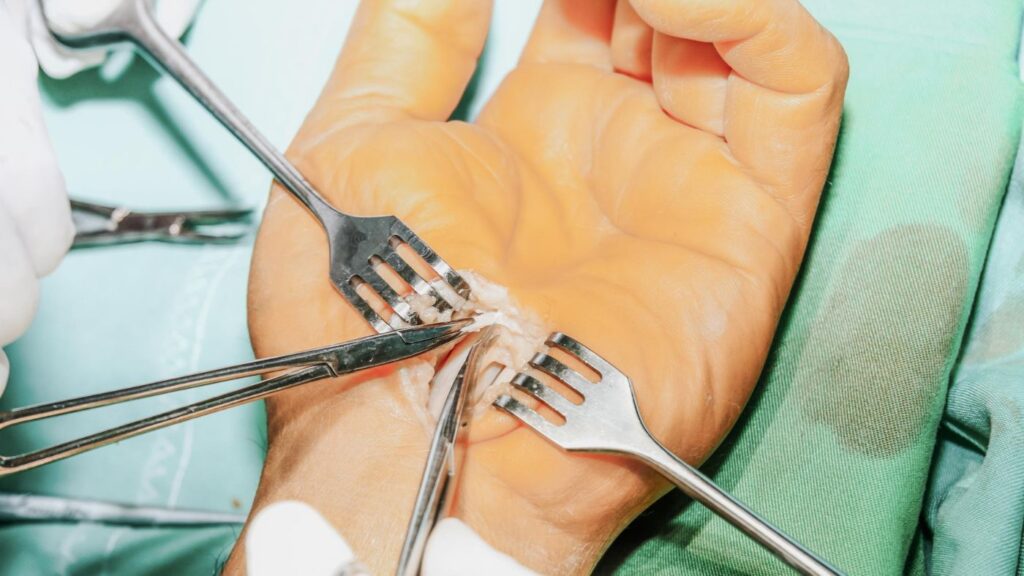
Hand surgery is a specialized medical field focused on diagnosing and treating conditions affecting the hand, wrist, and fingers in Thrissur. It addresses functional problems, injuries, congenital conditions, and degenerative disorders that impact daily activities and quality of life. The hand plays a vital role in movement, grip, sensation, and coordination, so maintaining its function is essential for personal and professional tasks. Understanding hand surgery helps individuals recognize treatment options and make informed decisions when facing hand-related conditions.
1. What Is Hand Surgery?
Hand surgery involves surgical and non-surgical treatment of conditions affecting the hand and upper extremity. It focuses on restoring movement, improving strength, relieving pain, and preserving sensation. This specialty combines principles of orthopaedic surgery, plastic surgery, and microsurgery to address complex functional problems.
Treatment may be required for trauma, nerve compression, tendon injuries, congenital deformities, infections, or chronic conditions that interfere with hand function.
2. Importance of Hand Function in Daily Life
The hand is a complex structure made up of bones, muscles, tendons, ligaments, nerves, and blood vessels. Even minor injuries can affect grip, coordination, and sensation. Tasks such as writing, lifting, typing, cooking, and personal care depend heavily on hand function.
When movement or sensation is affected, it can influence independence and productivity. Hand surgery aims to restore these essential functions and improve overall quality of life.
3. Common Conditions Treated with Hand Surgery
Hand surgery may be recommended for various medical conditions, including:
Nerve compression conditions affecting sensation and strength
Tendon injuries affecting movement and flexibility
Fractures and dislocations of the hand and wrist
Congenital deformities affecting structure and function
Infections involving soft tissues or joints
Degenerative conditions causing stiffness and pain
Soft tissue injuries caused by trauma
Each condition requires careful assessment to determine whether surgical intervention is necessary.
4. Types of Hand Injuries Requiring Surgery
Trauma is one of the most common reasons for hand surgery. Injuries may occur due to accidents, falls, sports activities, or occupational hazards.
Surgical treatment may be required for:
Bone fractures
Tendon ruptures
Nerve injuries
Crush injuries
Deep lacerations
Early treatment helps preserve function and prevents long-term complications.
5. Role of Microsurgery in Hand Treatment
Microsurgery is often used in hand surgery for repairing small blood vessels and nerves. This technique involves precise surgical methods using specialized instruments and magnification.
Microsurgery is particularly important in cases of nerve repair, tissue reconstruction, and limb salvage after severe injuries. It supports restoration of sensation and movement.
6. Hand Surgery for Nerve Conditions
Nerve-related conditions can lead to numbness, tingling, weakness, and loss of coordination. Surgical treatment may be recommended when conservative management does not relieve symptoms.
The goal of nerve surgery is to release pressure, repair damaged nerves, and restore function. Early intervention improves outcomes and prevents permanent damage.
7. Hand Surgery for Tendon Injuries
Tendons connect muscles to bones and enable finger and wrist movement. Injuries to these structures can restrict motion and affect daily activities.
Surgery may be required to repair torn or damaged tendons and restore movement. Rehabilitation plays a significant role in regaining strength and flexibility after treatment.
8. Treatment of Fractures and Dislocations
Hand fractures and dislocations can disrupt bone alignment and joint stability. Surgical treatment may be needed when bones cannot heal properly with conservative methods.
Procedures aim to restore alignment, stabilize joints, and maintain functional movement.
9. Hand Surgery for Congenital Conditions
Some individuals are born with structural differences affecting hand function. Surgical treatment may be recommended to improve mobility, appearance, and functional ability.
Early evaluation helps determine the most suitable timing and approach for treatment.
10. Management of Chronic Hand Conditions
Long-term conditions affecting joints, nerves, or soft tissues can lead to persistent pain and stiffness. Hand surgery may be considered when symptoms affect daily activities and do not respond to non-surgical care.
Treatment focuses on relieving discomfort, improving movement, and preventing further deterioration.
11. Diagnostic Evaluation Before Surgery
A detailed assessment is required before planning hand surgery. This includes medical history, physical examination, and imaging studies when necessary.
These evaluations help determine the severity of the condition, identify treatment options, and ensure patient safety during surgery.
12. Surgical Planning and Technique Selection
Each case requires individualized planning based on anatomy, injury type, and functional goals. The choice of technique depends on whether the problem involves bones, nerves, tendons, or soft tissues.
Careful planning improves surgical precision and supports better outcomes.
13. Role of Anesthesia in Hand Surgery
Hand surgery may be performed using local, regional, or general anesthesia depending on the procedure and patient condition.
The choice of anesthesia ensures comfort and safety during the procedure while allowing precise surgical intervention.
14. Recovery After Hand Surgery
Recovery varies depending on the type of procedure performed. Some treatments allow early movement, while others require temporary immobilization.
Patients are usually guided on wound care, activity limitations, and rehabilitation exercises. Proper adherence to instructions supports healing and prevents complications.
15. Rehabilitation and Physiotherapy
Rehabilitation is an important part of hand surgery recovery. Physiotherapy helps restore movement, strength, and coordination.
Exercises are introduced gradually to improve flexibility and prevent stiffness. Regular follow-up ensures progress and early detection of concerns.
16. Expected Outcomes of Hand Surgery
The goal of hand surgery is to restore function, reduce discomfort, and improve daily activities. Outcomes depend on the type of condition, severity, and adherence to rehabilitation.
Early treatment and proper care contribute to better recovery and functional improvement.
17. Risks and Safety Considerations
All surgical procedures involve certain risks. These may include swelling, stiffness, infection, or delayed healing.
Careful surgical planning, sterile techniques, and postoperative care reduce the likelihood of complications. Patients are informed about possible risks and recovery expectations.
18. Importance of Timely Treatment
Delaying treatment for hand conditions may lead to worsening symptoms and permanent functional loss. Early evaluation allows for appropriate intervention and improved outcomes.
Recognizing symptoms and seeking medical advice promptly helps preserve hand function
19. Long-Term Care After Hand Surgery
Long-term care includes maintaining hand strength, following exercise routines, and attending follow-up visits. Lifestyle adjustments and ergonomic practices may also be recommended.
Ongoing care helps maintain results and prevents recurrence of symptoms.
20. Final Overview
Hand surgery is a comprehensive approach to treating injuries, nerve conditions, tendon problems, and structural issues affecting the hand. It focuses on restoring movement, improving strength, and enhancing overall function.
For individuals experiencing hand-related concerns in Thrissur, understanding treatment options, recovery expectations, and rehabilitation needs supports informed decision-making and better outcomes. Early assessment and structured care can help individuals regain independence, maintain daily activities, and improve long-term hand health.
Table Of Content
A hand surgery consultation includes evaluation of symptoms, physical examination, imaging review if needed, and discussion of treatment options. Learn more
The cost of hand surgery varies based on the condition, surgical complexity, hospital facilities, and postoperative rehabilitation needs. Learn more
Reconstructive hand surgery focuses on restoring hand structure and function following trauma, deformities, or tissue loss. Learn more
Microsurgical hand surgery uses advanced techniques to repair nerves, blood vessels, and small tissues under magnification. Learn more
Hand injury repair surgery involves correcting fractures, tendon injuries, nerve damage, or soft tissue injuries to restore movement and function. Learn more
Frequently Asked Questions
1. What is hand surgery?
Hand surgery is a medical specialty that treats conditions affecting the hand, wrist, and fingers to restore movement, strength, and function.
2. When is hand surgery recommended?
It is recommended for injuries, nerve problems, tendon damage, fractures, congenital conditions, and chronic hand disorders affecting daily activities.
3. What conditions can be treated with hand surgery?
Conditions such as fractures, tendon injuries, nerve compression, infections, and structural abnormalities can be treated with hand surgery.
4. Is hand surgery only for severe injuries?
No, it may also be performed for chronic pain, stiffness, nerve issues, and functional limitations that affect routine tasks.
5. What is microsurgery in hand treatment?
Microsurgery involves precise repair of nerves, blood vessels, and tissues using specialized instruments and magnification.
6. How long does recovery take after hand surgery?
Recovery time varies depending on the procedure and condition but may require weeks to months with rehabilitation.
7. Will physiotherapy be needed after hand surgery?
Yes, physiotherapy is often required to restore strength, flexibility, and coordination.
8. Are there risks associated with hand surgery?
Like any surgery, there may be risks such as swelling, stiffness, infection, or delayed healing.
9. Can hand function fully return after surgery?
Many individuals experience improved function, though results depend on the severity of the condition and rehabilitation.
10. When should I consult a specialist for hand problems?
You should seek evaluation if you experience persistent pain, numbness, weakness, injury, or difficulty performing daily hand activities.

Dr Vinu Roy
Dr Vinu Roy is regarded as one of the best reconstructive doctors in Kerala. He is a dedicated plastic and cosmetic surgeon serving at the Sushrutha Institute of Plastic, Reconstructive, and Aesthetic Surgery, located within Elite Mission Hospital in Koorkenchery, Thrissur. With years of specialized training and hands-on experience, Dr. Roy combines art and science to help patients look and feel their very best.

