
What Is Trauma Reconstruction?
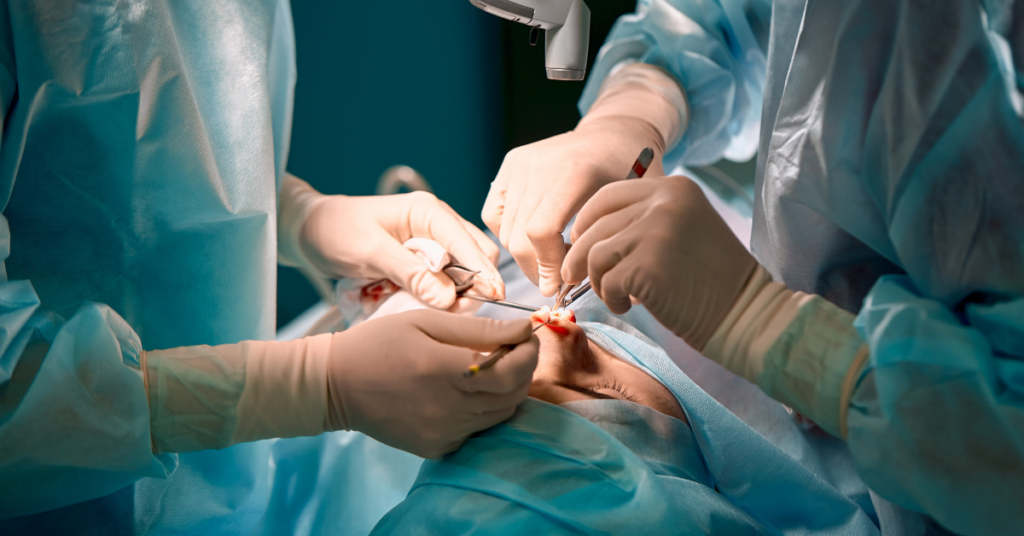
Trauma reconstruction is a specialized field of surgery focused on restoring form, function, and appearance to body parts that have been damaged due to accidents, injuries, or severe physical trauma. These injuries can affect the skin, muscles, bones, nerves, and blood vessels, often resulting in functional impairment as well as visible deformity. Trauma reconstruction plays a crucial role in helping patients regain mobility, independence, and confidence after life-altering injuries. In regions such as Thrissur, access to advanced trauma reconstruction allows patients to receive comprehensive care that addresses both physical recovery and long-term quality of life.
Understanding Traumatic Injuries
Traumatic injuries can occur suddenly and unexpectedly due to road traffic accidents, industrial injuries, falls, burns, sports injuries, or violence. Such injuries may lead to complex wounds, crushed tissues, fractures, nerve damage, or loss of skin and soft tissue. Unlike simple injuries, traumatic damage often affects multiple layers of tissue, making recovery more complicated. Trauma reconstruction focuses on repairing these layers in a structured and medically sound manner to restore as much normal function as possible.
The Purpose of Trauma Reconstruction
The primary purpose of trauma reconstruction is not only to close wounds but also to restore the natural anatomy and function of the affected area. This includes enabling movement, sensation, strength, and proper blood circulation. Reconstruction also aims to improve appearance, which plays an important role in emotional healing and social confidence. By combining surgical precision with advanced techniques, trauma reconstruction addresses both immediate damage and long-term rehabilitation needs.
Types of Injuries Treated With Trauma Reconstruction
Trauma reconstruction is used to manage a wide range of injuries, including open fractures, soft tissue loss, nerve injuries, tendon damage, and crushed or avulsed body parts. Injuries to the face, hands, limbs, and trunk often require reconstructive intervention to preserve essential functions such as walking, grasping, speaking, or facial expression. Each injury is unique, requiring a tailored reconstructive plan based on the extent of damage and the patient’s overall health.
Staged Reconstruction and Long-Term Care
Not all trauma reconstruction is completed in a single surgery. Many patients require staged procedures performed over time, allowing tissues to heal and adapt before the next step. Rehabilitation, physiotherapy, and follow-up care are integral parts of the reconstruction process. This structured approach ensures safe healing and gradual restoration of function, particularly for complex injuries.
Emotional and Psychological Impact of Trauma
Traumatic injuries affect more than just the body. Emotional distress, anxiety, and changes in self-image are common after severe trauma. Trauma reconstruction supports psychological recovery by improving appearance and function, helping patients reintegrate into daily life. Addressing both physical and emotional needs is essential for holistic recovery.
Importance of Early Evaluation
Early evaluation and timely intervention significantly influence the success of trauma reconstruction. Prompt assessment helps prevent complications such as infection, tissue loss, or permanent disability. For patients receiving trauma care in and around Thrissur, early access to reconstructive planning can make a substantial difference in recovery and long-term outcomes.
Individuals with functional or structural damage after injury who are medically stable may be suitable candidates for trauma reconstruction surgery. Learn more
The cost of trauma reconstruction varies based on injury severity, required procedures, and stages of treatment, making individualized evaluation essential. Learn more
A trauma reconstruction consultation involves injury assessment, imaging review, treatment planning, and discussion of expected outcomes. Learn more
Patients should ask about treatment options, surgical stages, recovery time, potential risks, and expected functional improvement. Learn more
Risks may include infection, scarring, delayed healing, or the need for additional procedures, depending on injury severity. Learn more
Trauma reconstruction generally involves injury evaluation, surgical repair or reconstruction, and planned follow-up care. Learn more
Recovery includes wound healing, rehabilitation, follow-up visits, and gradual improvement in function over time. Learn more

