
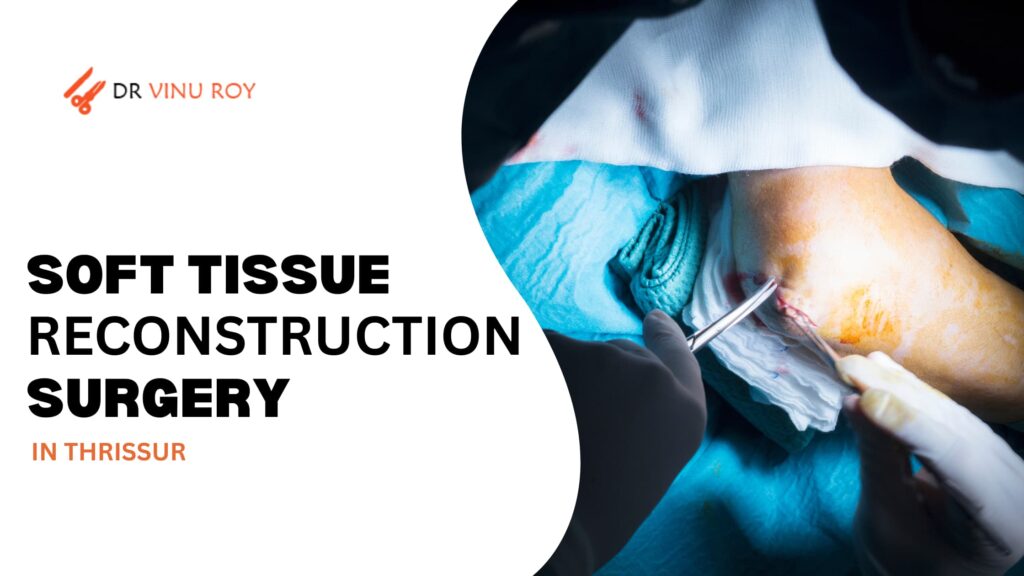
Accidents—whether due to road traffic collisions, workplace mishaps, or falls—can cause devastating injuries that affect not only bones but also soft tissues such as skin, muscles, nerves, and blood vessels. These injuries often result in complex wounds, functional impairment, and cosmetic concerns. Soft tissue reconstruction is essential to restore the patient’s mobility, appearance, and overall quality of life.
In Thrissur, individuals have access to advanced care for trauma reconstruction. Plastic and reconstructive surgeons, like Dr. Vinu Roy, offer a wide range of advanced plastic and reconstructive surgery options, including complex procedures, to manage such injuries with precision and skill.
Understanding Soft Tissue Reconstruction
Soft tissue reconstruction is a specialized field of surgery that focuses on repairing or replacing damaged tissues to restore form, function, and aesthetics. The primary goals of soft tissue reconstruction include:
Providing stable wound coverage to prevent infection and protect underlying structures.
Restoring movement and strength by repairing muscles, tendons, and ligaments.
Re-establishing sensation and nerve function to improve quality of life.
Minimizing scarring and enhancing cosmetic appearance.
These procedures are often critical following traumatic accidents where injuries are severe, involve large tissue loss, or expose underlying structures like bones or joints.
Common Causes of Soft Tissue Injuries
Soft tissue injuries requiring reconstructive surgery in Thrissur typically result from:
Road Traffic Accidents (RTA): Motorbike and car collisions often lead to open wounds, tissue loss, and crushed limbs.
Workplace Injuries: Industrial or construction accidents can cause deep lacerations, burns, or crush injuries.
Falls and Sports Injuries: High-impact falls or sports trauma can damage muscles, tendons, and skin.
Burns: Thermal, chemical, or electrical burns often require flap reconstruction and grafting.
Prompt and specialized care can significantly reduce the risk of complications such as infections, chronic wounds, or permanent functional impairment.
Advanced Surgical Techniques for Soft Tissue Reconstruction
Soft tissue reconstruction often requires complex surgical procedures, and surgeons in Thrissur utilize a variety of advanced techniques depending on the severity and type of injury:
1. Flap Surgery
Flap surgery involves moving tissue from one part of the body to another while maintaining its blood supply. Types include:
Local flaps: Tissue moved from an adjacent area.
Regional flaps: Tissue from a nearby region, rotated or advanced to cover the defect.
Free flaps: Tissue transplanted from a distant site using microsurgery for vascular connections.
Flap surgery is especially useful when deep tissue, bone, or tendon is exposed.
2. Skin Grafting
Skin grafts involve transplanting thin layers of healthy skin to cover areas with significant skin loss. This method is often combined with other techniques for optimal coverage.
3. Microsurgical Tissue Transfers
Microsurgery allows surgeons to connect tiny blood vessels and nerves to restore blood flow and sensation in transplanted tissue. This technique enables highly complex reconstructions for severe trauma cases.
4. Nerve and Tendon Repair
Accidents often damage nerves or tendons, leading to loss of sensation or movement. Advanced reconstructive surgery can repair or graft nerves and tendons, restoring functionality and preventing long-term disability.
5. Scar Revision and Contour Enhancement
After initial reconstruction, some patients may require secondary procedures to reduce scarring, improve tissue contour, or restore symmetry.
The Process of Reconstruction After an Accident
Soft tissue reconstruction typically involves multiple stages:
Initial Assessment and Stabilization:
Emergency care to stabilize the patient.
Removal of dead or contaminated tissue (debridement).
Temporary wound coverage using dressings or negative pressure therapy.
Definitive Reconstruction:
Planning surgical strategy based on defect size, location, and tissue types needed.
Employing flap surgeries, skin grafts, or microsurgical transfers.
Repairing associated bone, tendon, or nerve injuries.
Post-Operative Care:
Monitoring the reconstructed tissue for blood flow and healing.
Administering antibiotics and pain management.
Using physiotherapy and occupational therapy to restore mobility.
Long-Term Rehabilitation:
Continued physiotherapy and scar management.
Secondary surgeries for contouring or functional enhancement.
Psychological support to address trauma-related stress or anxiety.
Why Soft Tissue Reconstruction Matters
Soft tissue reconstruction is more than just cosmetic surgery. Proper reconstruction:
Prevents infection by covering exposed structures.
Preserves limb or organ function, allowing patients to return to work and daily activities.
Reduces long-term disability and improves quality of life.
Restores confidence and appearance, especially for facial or visible injuries.
Neglecting soft tissue reconstruction can lead to chronic wounds, contractures, and permanent impairment, making early referral to an experienced reconstructive surgeon critical.
Patient-Centric Approach in Thrissur
Surgeons in Thrissur focus on patient-centered care, tailoring surgical strategies to each individual’s needs. Key aspects include:
Comprehensive assessment of the injury and patient health.
Personalized surgical plans using the latest techniques.
Multidisciplinary care, including physiotherapy, occupational therapy, and psychological support.
Education for patients and families on wound care, rehabilitation, and recovery expectations.
This holistic approach ensures that patients not only heal but also regain function, mobility, and confidence after traumatic accidents.
Frequently Asked Questions (FAQ)
Who needs soft tissue reconstruction after an accident?
Patients with significant tissue loss, exposed bones or tendons, nerve injuries, or functional impairment after trauma are ideal candidates. Early referral to a reconstructive surgeon improves outcomes.
What are the common techniques used in reconstruction?
Common techniques include:
Flap surgeries (local, regional, free flaps)
Skin grafting
Microsurgical tissue transfer
Nerve and tendon repair
Scar revision and contouring
How long does recovery take after soft tissue reconstruction?
Recovery varies depending on injury severity and procedure type. Initial wound healing usually takes 2–4 weeks, while full functional recovery and rehabilitation may take several months.
Is soft tissue reconstruction painful?
Pain is managed with medications during the post-operative period. Surgeons also use minimally invasive techniques and careful tissue handling to reduce discomfort.
Will there be visible scars after reconstruction?
Some scarring is inevitable, but surgeons aim to minimize it using advanced techniques. Scar revision or contouring procedures can further improve appearance after initial healing.
Are there risks associated with reconstruction surgery?
Risks include infection, partial flap or graft loss, delayed healing, and complications related to anesthesia. Choosing an experienced reconstructive surgeon reduces these risks.
Conclusion
Soft tissue reconstruction after accidents is a complex yet life-changing process. Access to surgeons who offer a wide range of advanced plastic and reconstructive surgery options, including complex procedures, ensures that patients receive the highest standard of care.
Early intervention, skilled surgery, and comprehensive rehabilitation can transform the outcome from permanent disability to a full, functional recovery. For anyone recovering from traumatic soft tissue injury, seeking expert care is the first step toward restoring both form and function.

